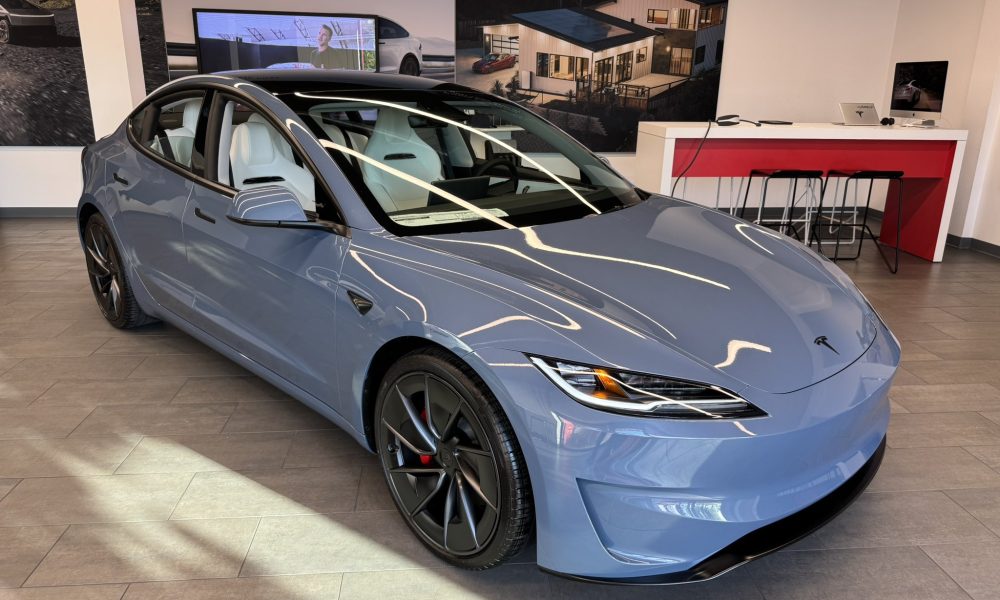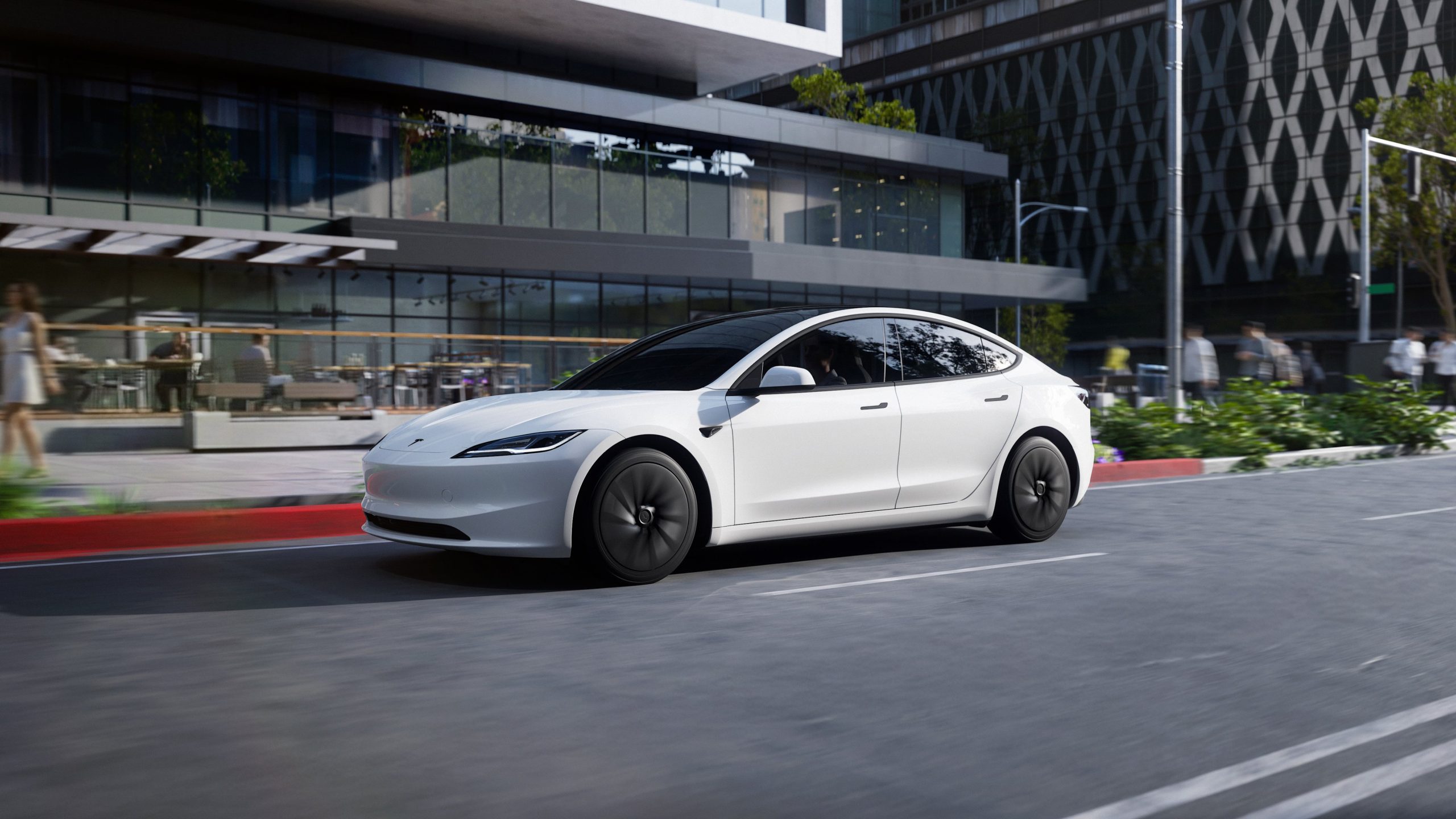
In the hyper-competitive Chinese electric vehicle market, where price wars are the new normal, a rumor of a sub-$30,000 Tesla Model 3 would be a seismic event. That's precisely the speculation that swept through industry circles this week, sending shockwaves through competitor boardrooms and sparking excitement among potential buyers. However, in a decisive move, Tesla has officially quashed the reports, stating unequivocally that no such budget Model 3 is currently planned for launch in China.
Navigating the Rumor Mill in a Critical Market
The speculation appears to have originated from interpretations of Tesla's ongoing efforts to reduce production costs and introduce new variants. China is Tesla's second-largest market and home to its most advanced manufacturing facility, Gigafactory Shanghai, which has consistently driven down costs through localized supply chains. Furthermore, the company has been iterating on the Model 3 lineup, recently introducing a rear-wheel-drive Long Range variant in North America. This environment of constant evolution makes it a fertile ground for rumors, but Tesla's denial is clear and direct. The company's strategy in China has focused on value engineering within existing model frameworks, not on creating an entirely new entry-level vehicle beneath the current Model 3.
The Strategic Calculus Behind the Denial
From a strategic standpoint, Tesla's denial makes immediate sense. Launching a sub-$30,000 EV would place the brand squarely in the territory of fierce Chinese rivals like BYD, XPeng, and Nio, potentially triggering an even more brutal price war that could erode industry-wide profitability. More importantly, it could cannibalize sales of Tesla's higher-margin vehicles and dilute the brand's premium positioning. Instead, Tesla seems to be betting on its upcoming next-generation platform, often referred to as the "$25,000 model," as its true play for the mass market. This dedicated, clean-sheet design promises revolutionary manufacturing techniques aimed at achieving that target price point without compromising on the core Tesla experience or its financial margins.
For now, Tesla's focus in China remains on leveraging its cost advantages at Gigafactory Shanghai to offer competitive pricing on its existing models—the Model 3 and Model Y—while continuing to develop its Full Self-Driving (FSD) software suite. The company is also navigating increased scrutiny from local regulators and the growing prowess of domestic EV makers. Introducing a rushed, stripped-down Model 3 could be seen as a reactive move, whereas Tesla has historically prided itself on defining market categories on its own terms.
Implications for Owners and the Investment Thesis
For current Tesla owners and investors, this clarification provides crucial insight into the company's roadmap. The denial protects the residual value of existing vehicles by avoiding a sudden influx of a much cheaper, similarly branded sedan. For shareholders, it reaffirms that management is disciplined about its product cadence and margin structure, prioritizing the long-term potential of its next-generation platform over a short-term tactical skirmish. The message is clear: Tesla's mass-market revolution will come on its own terms with a purpose-built vehicle, not a discounted version of an existing one. All eyes now turn to the development timeline for that next-generation vehicle, which will ultimately be the company's most direct weapon in the global fight for affordable electric mobility.