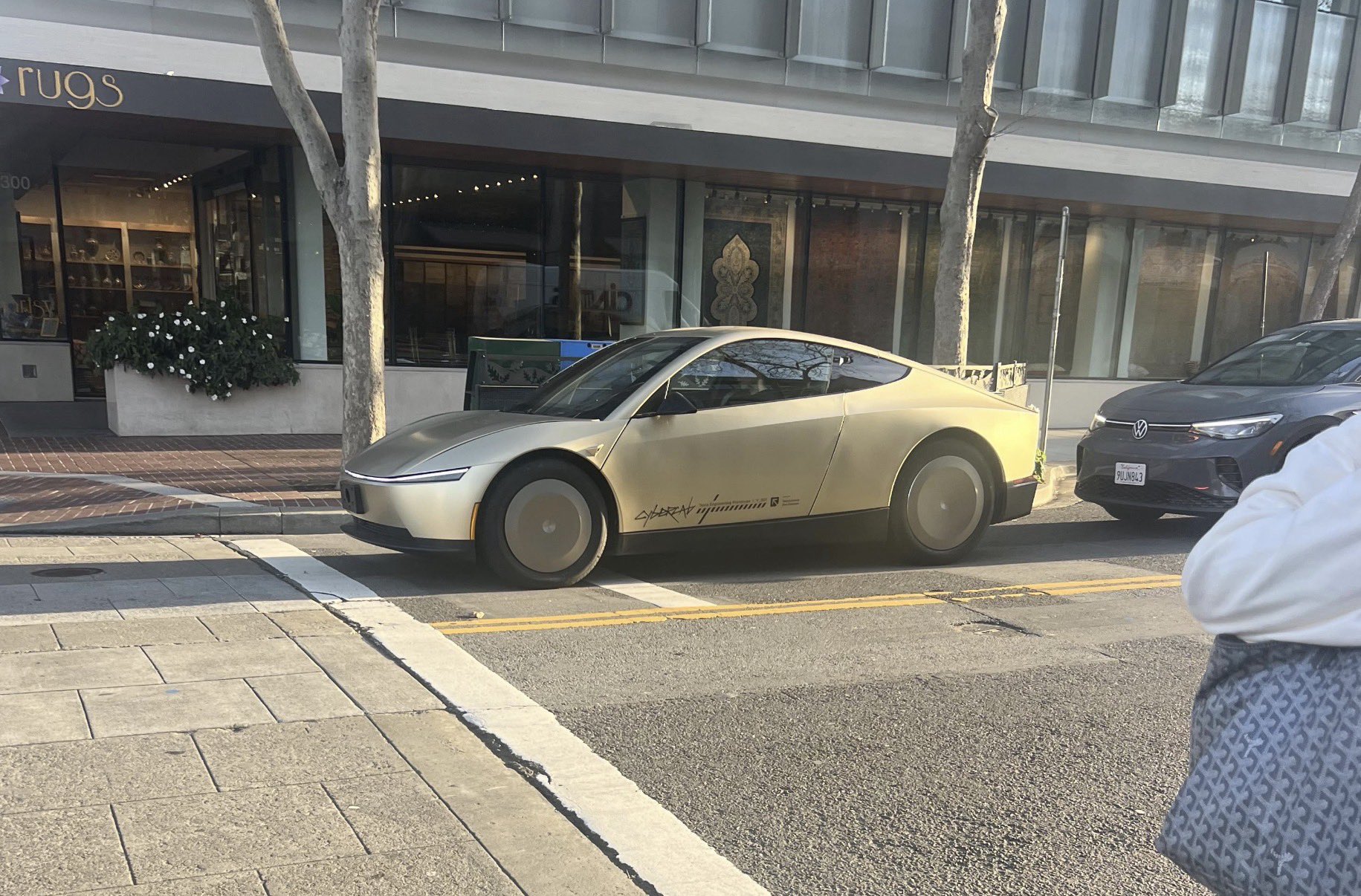
The sleek, angular silhouette of a gold-painted Tesla prototype is no longer a shocking anomaly on the streets of Palo Alto; it is becoming a regular fixture. As 2026 unfolds, multiple sightings of the highly anticipated Tesla Cybercab near the company's engineering headquarters signal a critical and deliberate acceleration of real-world testing. This visible push confirms that Tesla is moving beyond controlled environments, placing its autonomous future directly into the complex tapestry of public roads to validate the system that will define its next chapter.
From "Robotaxi" Vision to Pavement Reality
The recent sightings are not random joyrides. They represent a pivotal transition from theoretical unveiling to practical validation. The two-seater, steering-wheel-less vehicle is being put through its paces in a dense, dynamic urban environment filled with unpredictable human drivers, pedestrians, and cyclists. This phase is crucial for gathering the terabytes of real-time data needed to refine its Full Self-Driving (FSD) software stack. Every interaction, near-miss, and successful navigation feeds the neural networks, inching the system closer to the reliability required for a commercial driverless service.
The Engineering and Regulatory Gauntlet
While the visual progress is undeniable, the path to a operational Cybercab fleet remains fraught with challenges. The core technology, particularly the performance of the Tesla Vision camera-only system in all weather and edge-case scenarios, is still under immense scrutiny. Concurrently, Tesla must navigate an evolving and fragmented regulatory landscape across different states and countries. Each public test in Palo Alto serves a dual purpose: proving technical capability to regulators while conditioning public perception to accept autonomous vehicles as a normal, safe part of the transportation ecosystem.
The aggressive testing timeline suggests Tesla is aiming to make good on Elon Musk's promise of a reveal event for the dedicated robotaxi platform on August 8, 2024. The vehicles seen today are likely early "Alpha" builds, focusing on core autonomous functionality. Future iterations will need to integrate the robust ride-hailing user interface, payment systems, and vehicle-to-infrastructure communication that define a seamless customer experience. The clock is ticking to transform these rolling prototypes into a commercially viable service.
For Tesla owners and investors, the accelerating Cybercab tests are a tangible sign of the company betting its future on autonomy. Success could unlock a high-margin, recurring revenue stream from mobility-as-a-service, fundamentally altering Tesla's valuation model beyond car manufacturing. For current EV owners, it previews a near-future where their own vehicles could potentially join an autonomous Tesla network, generating income during idle hours. However, any significant technical delays or regulatory setbacks could pressure timelines and temper the lofty financial projections tied to the Robotaxi dream. The golden prototypes on Palo Alto streets are more than just cars; they are the physical manifestation of Tesla's biggest strategic gamble.