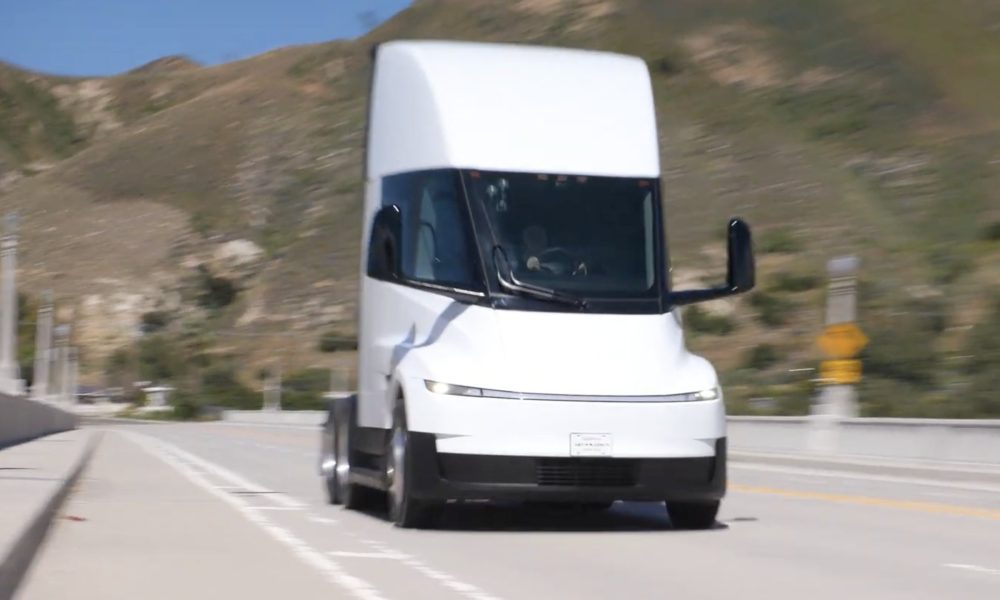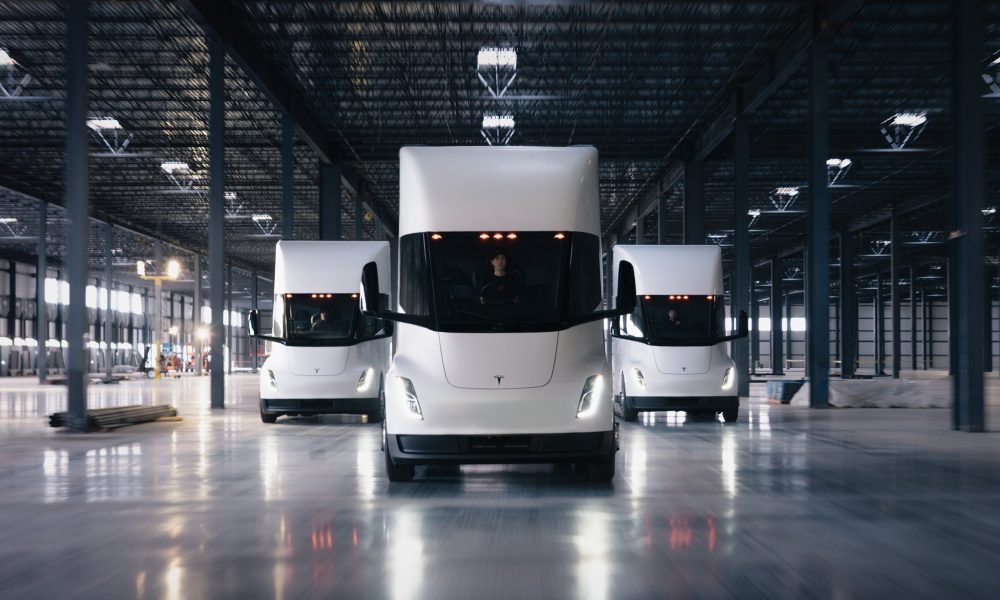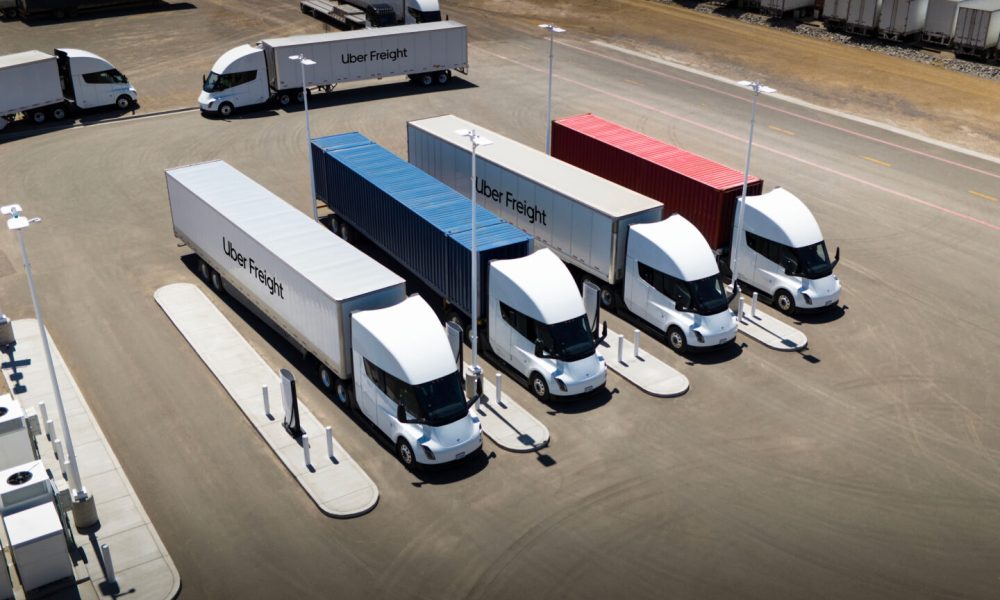
As Tesla's long-awaited Semi edges closer to a true production ramp, the company's software engineers are already laying the digital groundwork for its integration into the real world. A subtle but significant new feature has appeared in Tesla's navigation system, signaling that the electric behemoth is no longer just a prototype novelty but an imminent reality on our highways. This update, discovered by keen-eyed users, allows drivers to specifically filter for Tesla Semi-compatible Megacharger stations within the in-car navigation, a clear preparatory step for fleet operators and a hint at the logistical scale Tesla is planning.
Decoding the Navigation Update
The new navigation filter is more than a simple checkbox; it's a declaration of intent. When selected, it displays only those Tesla Supercharger stations that are equipped with, or will be equipped with, the high-power Megacharger infrastructure required to efficiently juice up the massive battery packs of the Class 8 Semi. This move accomplishes two critical things: it provides essential route planning for early Semi adopters and publicly maps out the initial backbone of Tesla's dedicated commercial trucking network. The feature's quiet rollout suggests backend data on Megacharger locations is now live, even if the physical stalls themselves are still under construction in key freight corridors.
Aligning Software with Hardware Momentum
This software development dovetails precisely with recent hardware progress. Earlier this week, CEO Elon Musk confirmed that mass production processes for the Tesla Semi are scheduled for later this year, following the successful delivery of initial units to pioneering customers like PepsiCo. The navigation update is a classic Tesla maneuver—using over-the-air software to prepare the ecosystem in advance of the physical product's widespread arrival. It ensures that when the first large batch of Semis rolls off the line, their drivers will have immediate, seamless access to the vital energy infrastructure needed for long-haul routes, turning a potential logistical hurdle into a managed, software-driven advantage.
For Tesla, the Semi represents a monumental leap into the lucrative but demanding commercial transport sector. Success hinges not just on the vehicle's impressive 500-mile range claims, but on the entire ownership experience, where charging convenience is paramount. By proactively embedding Semi support into the navigation of every Tesla, the company is also subtly cross-training its vast consumer driver base to recognize and share the road with these electric trucks, fostering broader public familiarity and acceptance.
Implications for the Tesla Ecosystem
For Tesla owners and investors, this navigation tweak is a tangible signal of the company's execution on its broader master plan. It demonstrates a mature, systems-level approach to product launches, where software, infrastructure, and hardware development are in lockstep. The expansion of the Megacharger network, now visible in software, indicates significant capital deployment into a new revenue stream—commercial charging—which could prove highly profitable. Investors should watch for accelerated permitting and construction activity along major interstates as the next physical confirmation of this software clue.
Ultimately, this preparation reinforces Tesla's unique vertically integrated model. While other manufacturers may build an electric truck, Tesla is building the entire electric trucking *environment*. For current EV owners, it's a reminder that their vehicle's software is a window into Tesla's ambitious future, a future that is increasingly focused on dominating not just personal mobility, but the global movement of goods.