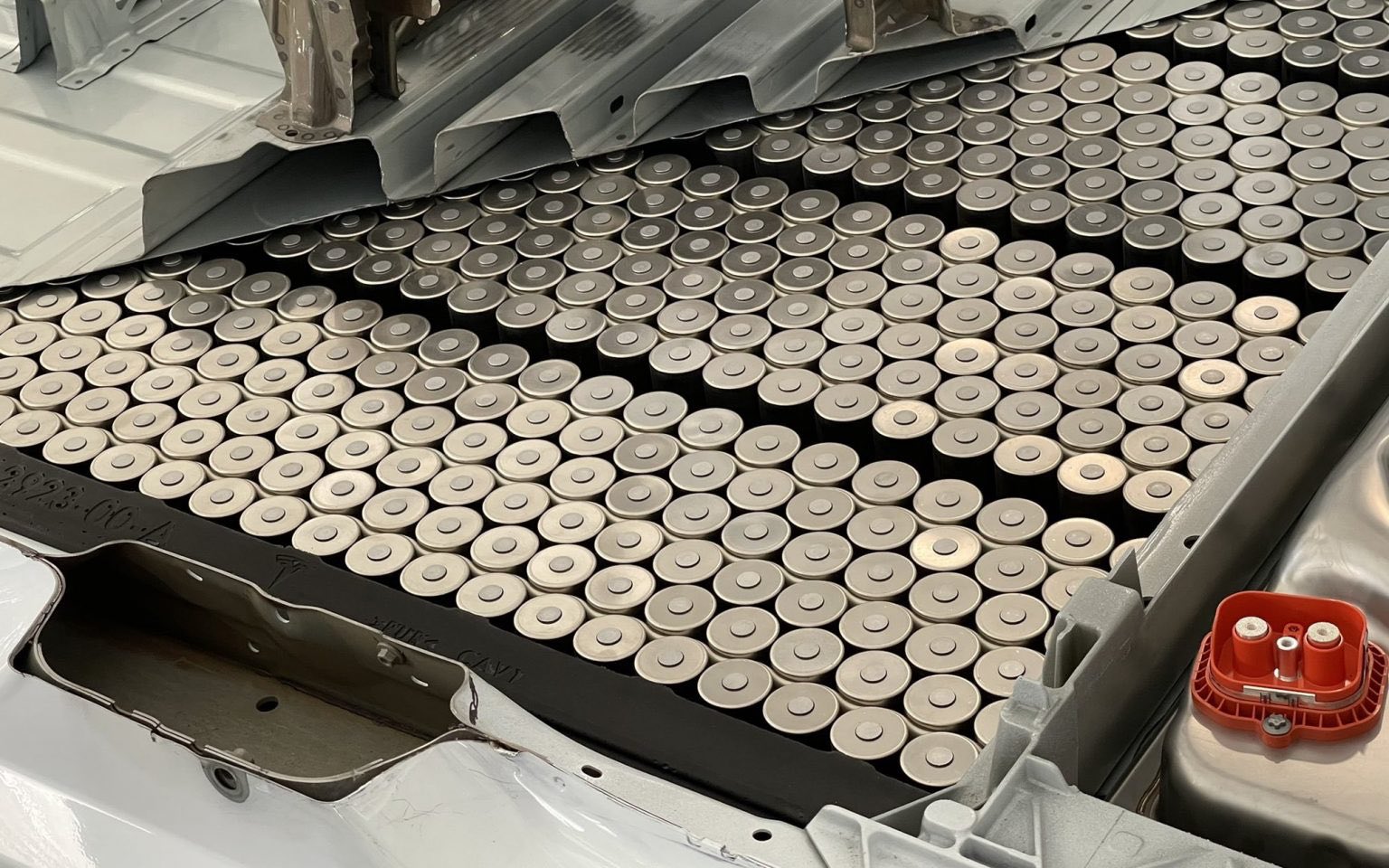
In a move set to redefine the economics and scalability of electric vehicle batteries, Tesla has conquered one of its most formidable manufacturing challenges. CEO Elon Musk has officially confirmed that the company has successfully operationalized its long-awaited dry electrode manufacturing process for 4680 battery cells at Gigafactory Texas. This breakthrough, once dismissed as industrially "impossible" by sector experts, transitions a critical bottleneck into a strategic advantage, paving the way for cheaper, higher-performance EVs.
The "Impossible" Process, Now a Reality
Tesla's acquisition of Maxwell Technologies in 2019 was primarily for its dry battery electrode (DBE) technology, a radically different approach from the conventional, energy-intensive slurry method. The traditional process requires mixing active materials with toxic solvents, which must then be slowly and expensively evaporated in massive ovens. The DBE process, by contrast, uses a powder-coating technique similar to making a T-shirt print, binding electrode materials without solvents. The hurdle was scaling this delicate, precision-bound process to the high-speed, massive-volume demands of automotive production. Musk's confirmation indicates Tesla's engineers have solved the complex mechanical and chemical puzzles, achieving a stable, high-yield production line.
Implications for Cost, Performance, and Scale
The operationalization of dry electrode manufacturing is a triple win for Tesla's battery roadmap. First, it slashes factory footprint and energy consumption by eliminating the massive drying ovens and solvent recovery systems, directly reducing capital expenditure and operational costs. Second, it enables the use of higher-energy-density electrode designs, potentially unlocking longer range or lighter battery packs. Third, and most critically, it simplifies scaling. A faster, less complex, and more compact process means Tesla can ramp 4680 cell output more rapidly and in more locations, reducing its dependency on external cell suppliers and accelerating its path to 20 million vehicles annually.
This achievement also strengthens Tesla's vertical integration moat. While competitors are securing raw material supplies and building gigafactories, Tesla is simultaneously advancing the fundamental manufacturing science of the battery cell itself. The DBE process is a core intellectual property that cannot be purchased off the shelf; it provides a structural cost advantage that compounds over time. Furthermore, it is essential for producing the promised $25,000 next-generation vehicle, as battery cost remains the single largest barrier to achieving that price point without sacrificing margin.
For Tesla owners and investors, this breakthrough is a signal of accelerating technological and manufacturing momentum. Owners can anticipate future vehicles with improved range and lower costs, reinforcing Tesla's value proposition. For investors, it de-risks the 4680 production ramp—a key variable in Tesla's growth story—and validates the company's high-risk, high-reward approach to in-house innovation. It demonstrates that Tesla's R&D investments continue to solve hard problems that competitors have yet to fully tackle, potentially extending its lead in EV performance and profitability for years to come.