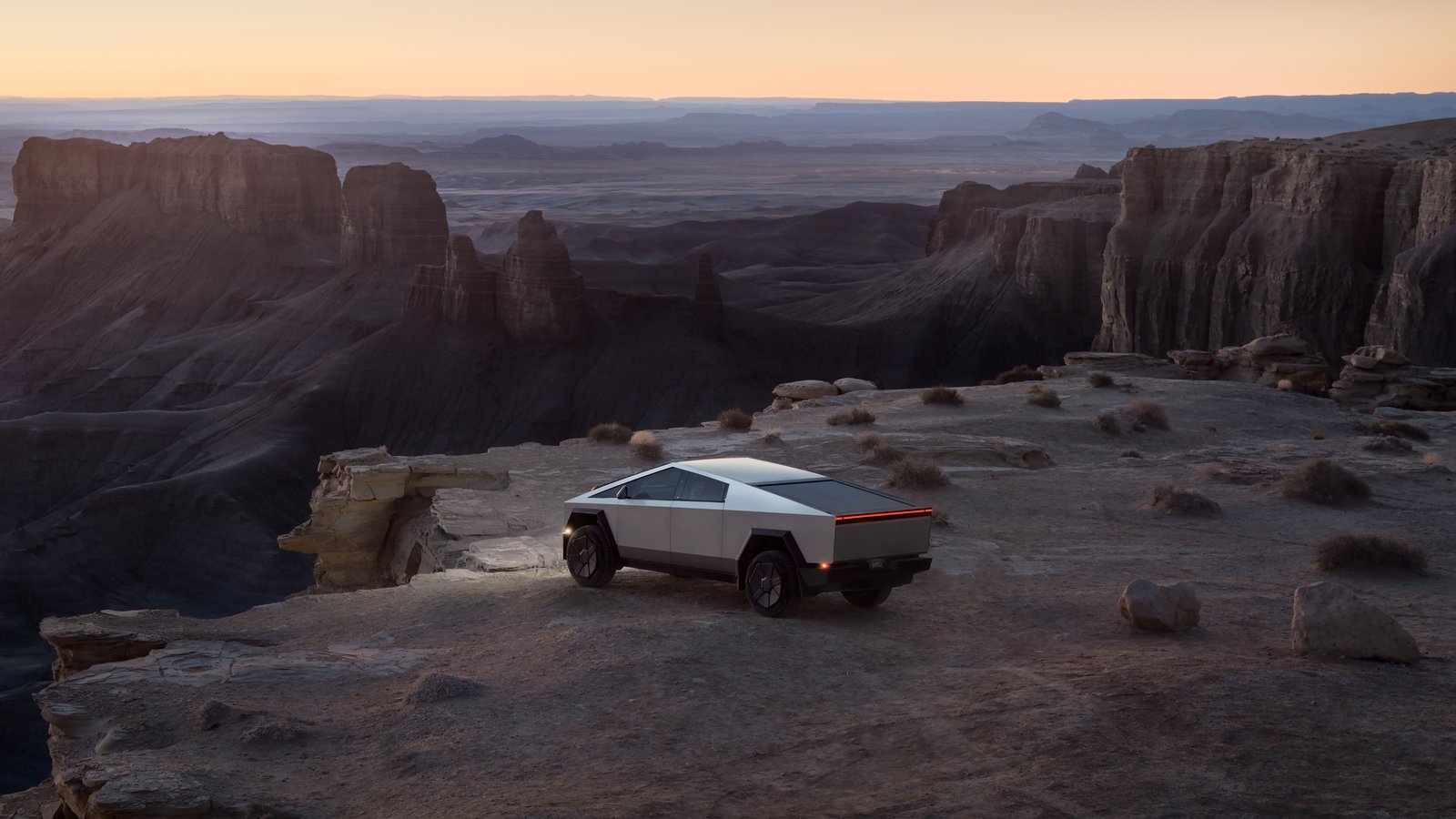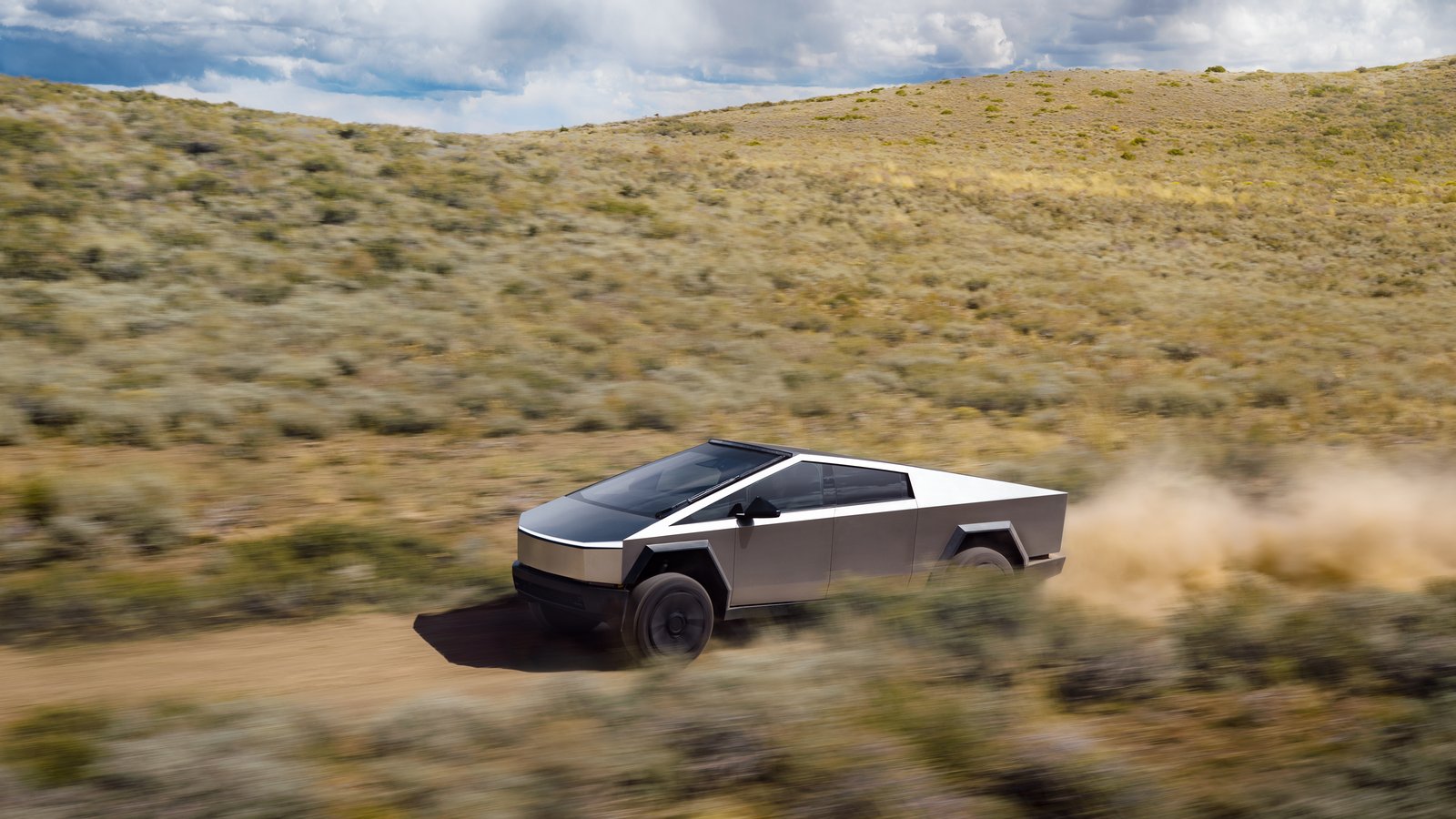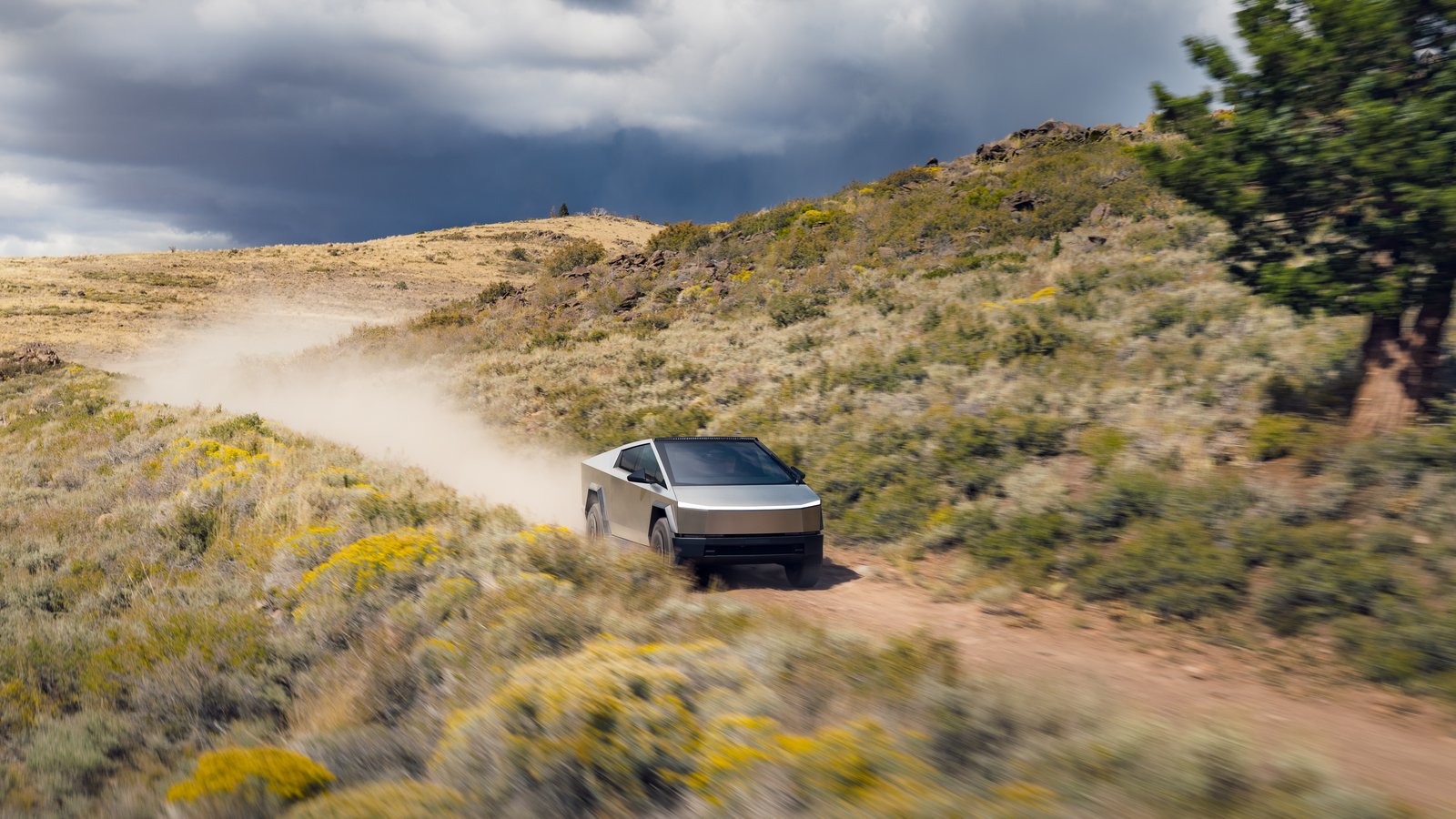
The Tesla Cybertruck was supposed to rewrite the rules of the pickup market. According to the latest edition of TechCrunch Mobility, the verdict is in: the Cybertruck experiment is over. The framing is blunt, and it lands as the wider EV industry turns its attention to artificial intelligence as the next defining battleground in transportation.
From Showpiece to Post-Mortem
Few electric vehicle launches have carried as much theater as this one. Elon Musk unveiled the truck in November 2019, complete with a stainless-steel exoskeleton and a now-famous shattered-window demo. Deliveries finally began in November 2023, four years later. The promised starting price of $39,900 never materialized. Early buyers paid far more.
That gap between promise and product shaped the truck's reputation. The design was polarizing by intention. Tesla bet that a radical shape and unconventional manufacturing would create its own demand. For a time, reservation numbers and online buzz suggested the bet might pay off. But reservations are not sales, and the full-size truck segment rewards practicality, towing credibility and dealer-level service networks. Those are areas where Tesla had little experience.
Why the Experiment Struggled
The Cybertruck faced a stack of challenges. Its angular stainless-steel body was costly and difficult to produce at scale. Early production was plagued by quality complaints and multiple recalls. Pricing sat well above what many truck shoppers expected from an EV brand known for disrupting on cost. Meanwhile, rivals such as the Ford F-150 Lightning and Rivian R1T chased the same buyers with more conventional approaches.
The result was a vehicle that attracted attention but struggled to convert it into steady volume. That matters because the truck was never just a product. It was a statement about what Tesla's Gigafactory Texas could build and how far the company could push design and manufacturing. If the experiment is indeed finished, it suggests that bold form alone cannot carry a vehicle through a mainstream market.
The AI Pivot and What It Means for Tesla
The timing of TechCrunch's verdict is telling. The publication describes its newsletter as a hub for the future of transportation and, increasingly, the role AI plays in it. That tracks with Tesla's own messaging. The company has spent recent years steering investors toward Full Self-Driving, robotaxis and humanoid robots, not toward any single vehicle line. A fading Cybertruck narrative fits neatly into that shift.
For Tesla owners, the practical questions are about support. Existing Cybertruck drivers should watch for software updates, parts availability and service commitments, which typically continue long after a model's sales story changes. For investors, the lesson is sharper. Tesla's valuation increasingly rests on autonomy and AI execution, not on the success of a niche halo vehicle. The Cybertruck's struggles will matter less to the stock than whether Tesla delivers on driverless technology and a more affordable mainstream lineup.