The electric vehicle landscape is rapidly evolving beyond the passenger car, with commercial fleets and emerging markets now driving the next wave of infrastructure and innovation. While Tesla continues to advance its Megacharger network for the Tesla Semi, a flurry of global announcements underscores the intensifying competition and strategic partnerships shaping the future of electrification. From new home charging collaborations to aggressive battery manufacturing plans in India, the industry's momentum is becoming increasingly decentralized and fiercely competitive.
Strategic Charging Partnerships and Tesla's Fleet Focus
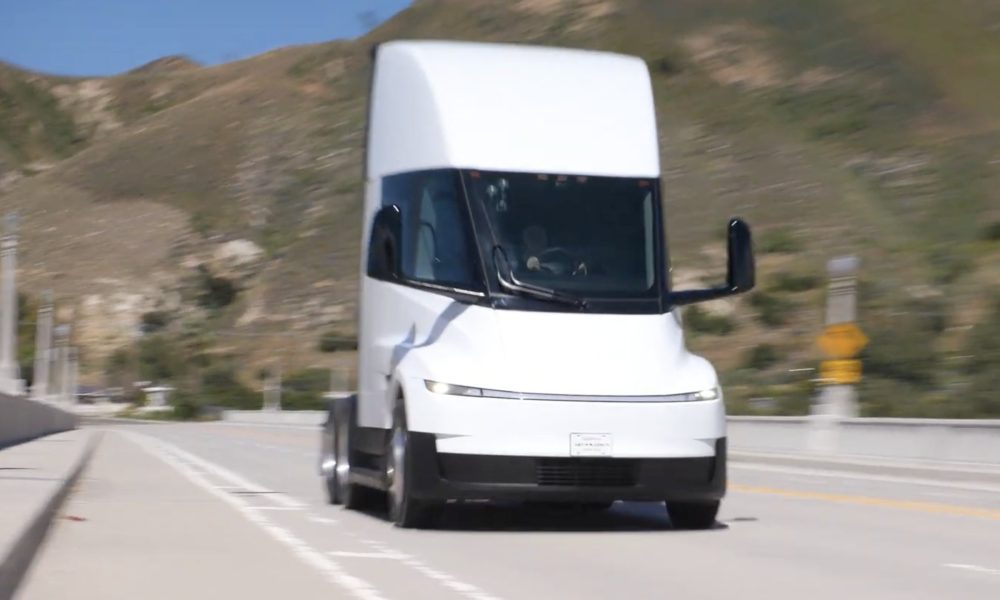
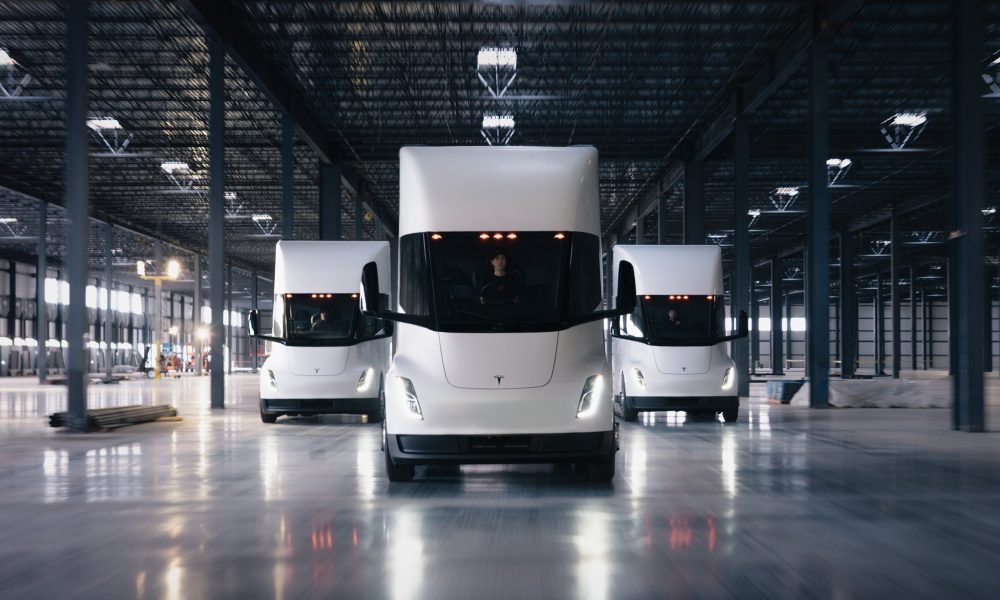
This week, SsangYong's new owner, KG Mobility, announced a strategic EV homecharging partnership with EO Charging, a major UK-based provider. This move mirrors Tesla's early integrated approach, offering a seamless ownership experience by bundling charging hardware with the vehicle. It highlights a growing industry standard where automakers, beyond Tesla, are taking charge of the customer's entire EV ecosystem. Meanwhile, Tesla's focus remains sharply on its commercial ambitions, as evidenced by the operational Tesla Semi Charger spotted at the Frito-Lay facility in Modesto, California. This dedicated, high-power infrastructure is critical for proving the viability of electric long-haul trucking and securing fleet contracts.
India's Battery Scheme: A Game Changer for Global Supply
Perhaps the most significant development comes from India, where the government's ₹3,620 crore ($450 million) battery manufacturing subsidy scheme has attracted major players. Giants like Reliance Industries, Ola Electric, and Mahindra & Mahindra are among the contenders. This initiative aims to establish local gigafactory-scale production, reducing dependence on Chinese imports and potentially lowering battery costs globally. For a market like India, with immense growth potential and cost sensitivity, localized battery production is a prerequisite for mass EV adoption and could position the country as a future export hub.
The success of the MINI Electric, which has nearly doubled its sales year-over-year in key markets, demonstrates the strong consumer appetite for compact, premium EVs. This segment's growth presents both an opportunity and a subtle challenge to Tesla, which has historically focused on larger vehicle formats. As global automakers find success in niches Tesla does not currently serve, the competitive field widens. Furthermore, the Indian battery manufacturing push, if successful, could alter global supply chain dynamics, potentially offering Tesla and other automakers a new, cost-competitive source for cells amidst ongoing geopolitical and supply chain uncertainties.
For Tesla owners and investors, these developments paint a picture of a maturing, complex global EV market. Tesla's lead in software and vertical integration remains formidable, but the competitive moat in hardware and charging is being challenged on all fronts. The company's continued execution on its Cybertruck, Semi, and dedicated charging infrastructure is more critical than ever. Investors should watch India's battery scheme closely, as it may create powerful new suppliers or competitors, while owners can expect the broader charging network—both public and home-based—to improve as partnerships like SsangYong-EO become commonplace, raising the industry standard for convenience.