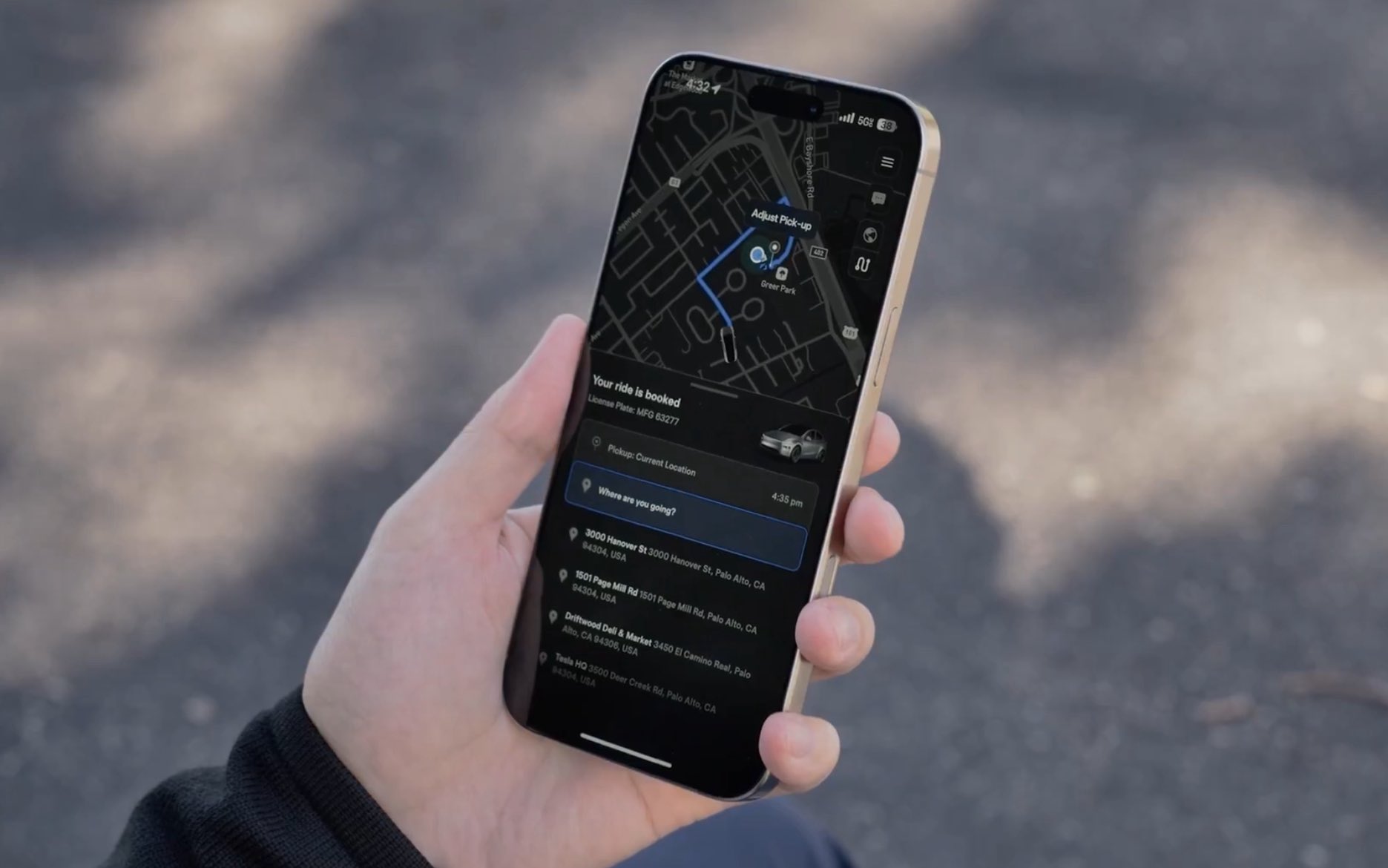
For years, the promise of a fully driverless Tesla has hovered on the horizon, a tantalizing mirage in the desert of automotive innovation. That mirage has now crystallized into cold, hard reality on the streets of Austin, Texas. Tesla has officially launched its first unsupervised Robotaxi rides for the public, a watershed moment that sees the company crossing its own technological Rubicon. This isn't a controlled test with engineers on standby; it's the definitive leap from supervised Full Self-Driving (FSD) to a commercial, geofenced Level 4 autonomy service, fundamentally altering the calculus for the entire electric vehicle industry.
Austin as the Proving Ground for Uncharted Autonomy
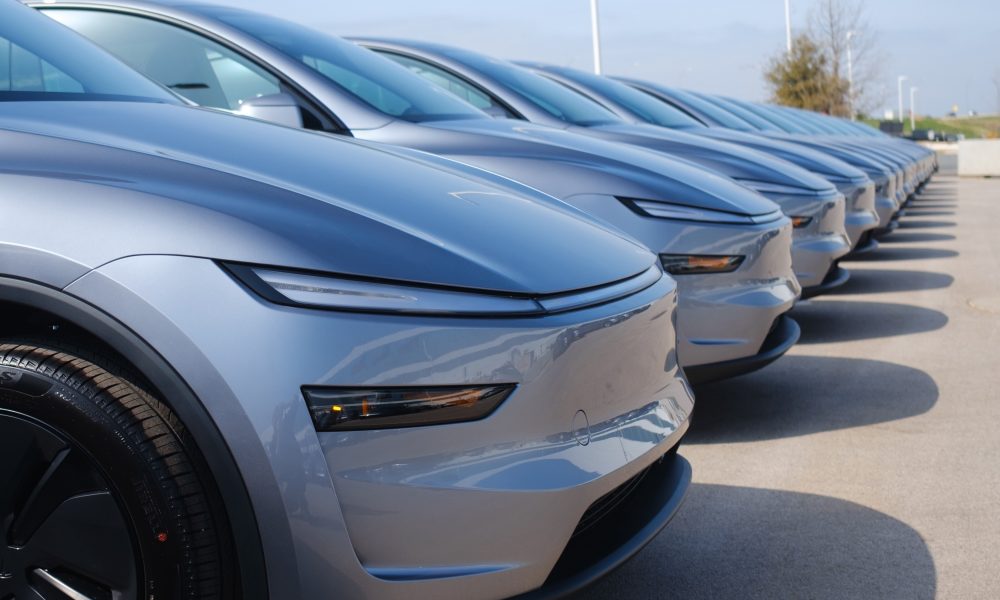
The choice of Austin is strategic, serving as a complex yet manageable urban laboratory adjacent to Tesla's engineering headquarters. The transition from a system requiring constant human oversight to one operating independently represents a quantum leap in software confidence and regulatory approval. Unlike previous iterations where the driver was legally responsible, these Robotaxis assume full operational responsibility within their designated domain. This shift turns every participating vehicle—likely a modified Model 3 or Model Y—from a privately owned car into a revenue-generating asset, a core tenet of Elon Musk's long-term vision for the Tesla network.
Technical Triumph and Inevitable Scrutiny
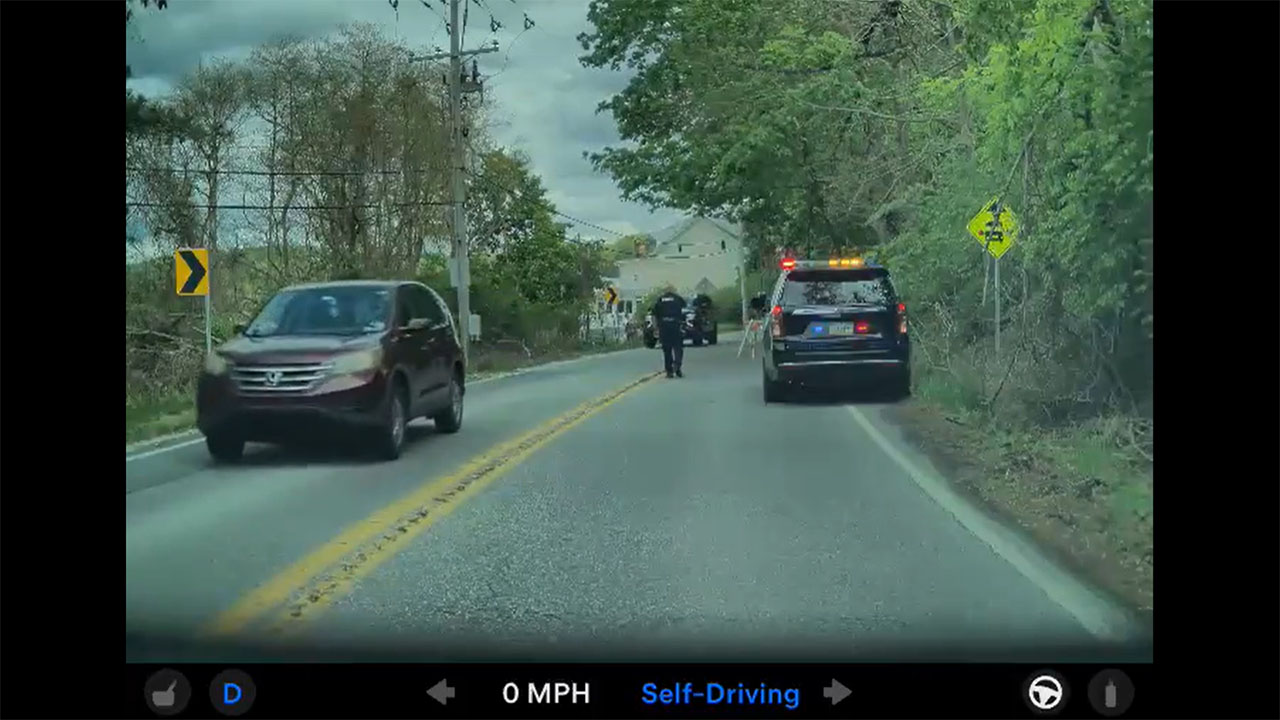
This launch is the culmination of billions of real-world miles driven by the FSD beta fleet, data that has relentlessly trained Tesla's vision-based neural networks. The company is betting that its "vision-only" approach, devoid of lidar and detailed pre-mapping, is sufficiently robust to handle the unpredictable "edge cases" of city driving. However, removing the safety driver invites a new level of intense scrutiny from regulators, the media, and the public. Every interaction—from navigating complex construction zones to responding to emergency vehicles—will be a high-stakes test of a system operating without a human fallback for the first time at scale.
The implications of a successful Austin rollout are staggering. It validates Tesla's controversial technological path and could accelerate regulatory approvals in other jurisdictions, creating a powerful first-mover advantage. Conversely, any significant safety incident could not only halt the service but damage public trust in autonomous technology for years to come. The financial model is equally transformative, positioning Tesla not just as a carmaker, but as a disruptive mobility service poised to challenge Uber and Lyft on their own turf.
For Tesla owners and investors, the Austin launch is the first tangible step toward unlocking the mythical "appreciating asset." If the Robotaxi network proves safe and scalable, it could open a massive new revenue stream, directly boosting company valuation. Owners in future deployment zones may see their vehicles gain utility and potential earnings power overnight. For investors, it shifts the narrative from automotive margins to software and service economics, though the road from pilot to profit will require flawless execution and regulatory navigation on a global scale. The gamble has been placed; now, the world watches to see if Tesla's bet on pure vision autonomy can pay off.