Transitioning to an electric vehicle is often framed as a journey toward simplicity and significant savings. Yet, for many new owners, the reality of the first electricity bill can deliver a shocking dose of sticker shock, undermining the celebrated "fuel cost" narrative. One recent Tesla Model Y owner's experience serves as a stark cautionary tale: after expecting minimal charging expenses, their household electricity bill surged by 94 euros in a single month. This wasn't due to a flaw in the vehicle, but a series of entirely avoidable—and surprisingly common—early adopter mistakes. Their story reveals the critical gap between theoretical efficiency and real-world EV ownership logistics.
The High Cost of Convenience: Home Charging Pitfalls
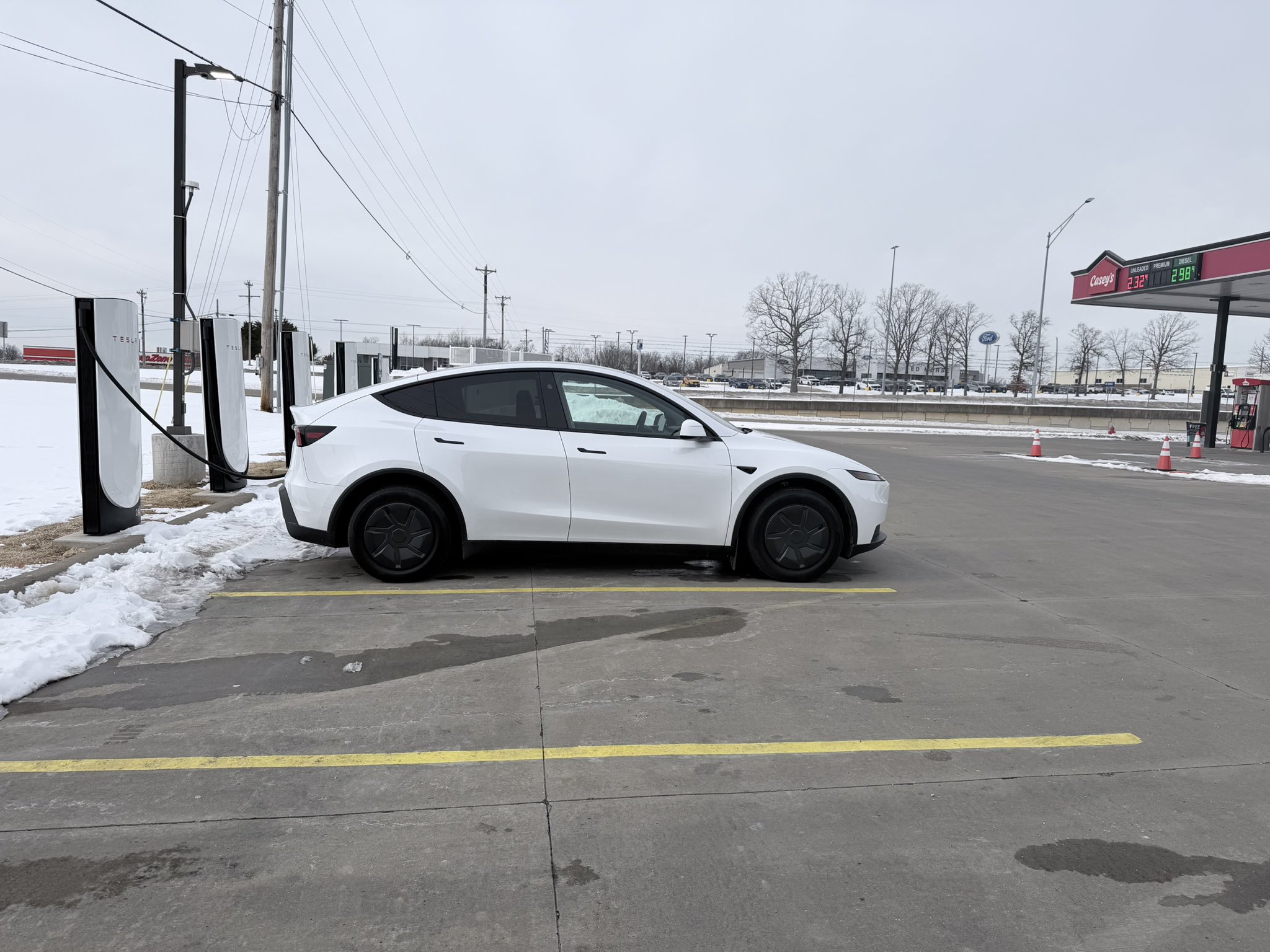
The core of the problem wasn't driving, but charging methodology. The owner fell into the trap of using the Tesla Mobile Connector on a standard household outlet for daily top-ups. This method, known as "Level 1" or "trickle charging," is notoriously inefficient for frequent use on a large battery, with significant energy lost as heat during the prolonged charging process. Compounding this, they charged exclusively during peak daytime hours, paying the utility's highest possible rate. The promise of "2.50€ per 100 km" is typically predicated on efficient Level 2 home charging at off-peak tariffs. Without these two key pieces of infrastructure and planning, costs spiral rapidly, turning the convenience of home plug-in into a financial liability.
Beyond the Plug: The Behavioral Tax on Efficiency
Technical missteps were only half the story. A newfound enthusiasm for the Tesla's performance led to a 23% increase in total miles driven compared to their previous gasoline car, a phenomenon often called the "EV honeymoon phase." Furthermore, they consistently used the vehicle's advanced features without optimization: pre-conditioning the cabin while still plugged in, overusing Sentry Mode at home, and favoring "Chill" mode less often than the more energy-intensive acceleration settings. Each of these actions, while minor individually, cumulatively drained the battery, necessitating more frequent and costly charging sessions. The vehicle's efficiency is a partnership between its engineering and the driver's habits.
For Tesla owners and investors, this case study is profoundly instructive. It underscores that the EV value proposition is not automatic; it requires informed ownership. For consumers, the lesson is to install a Level 2 home charger and switch to a time-of-use utility plan before delivery. For Tesla and the broader industry, it highlights a need for more robust consumer education that moves beyond range and horsepower to the economics of energy management. As the market expands to less tech-savvy buyers, bridging this knowledge gap will be essential to ensuring customer satisfaction and reinforcing the long-term cost advantage of electric vehicles, securing both brand loyalty and the economic thesis underpinning the EV transition.