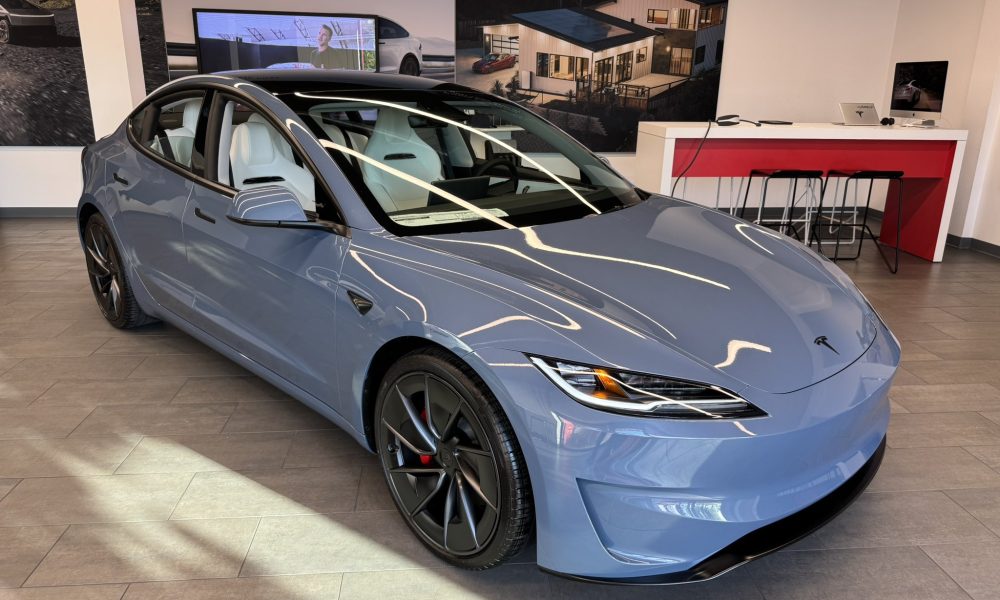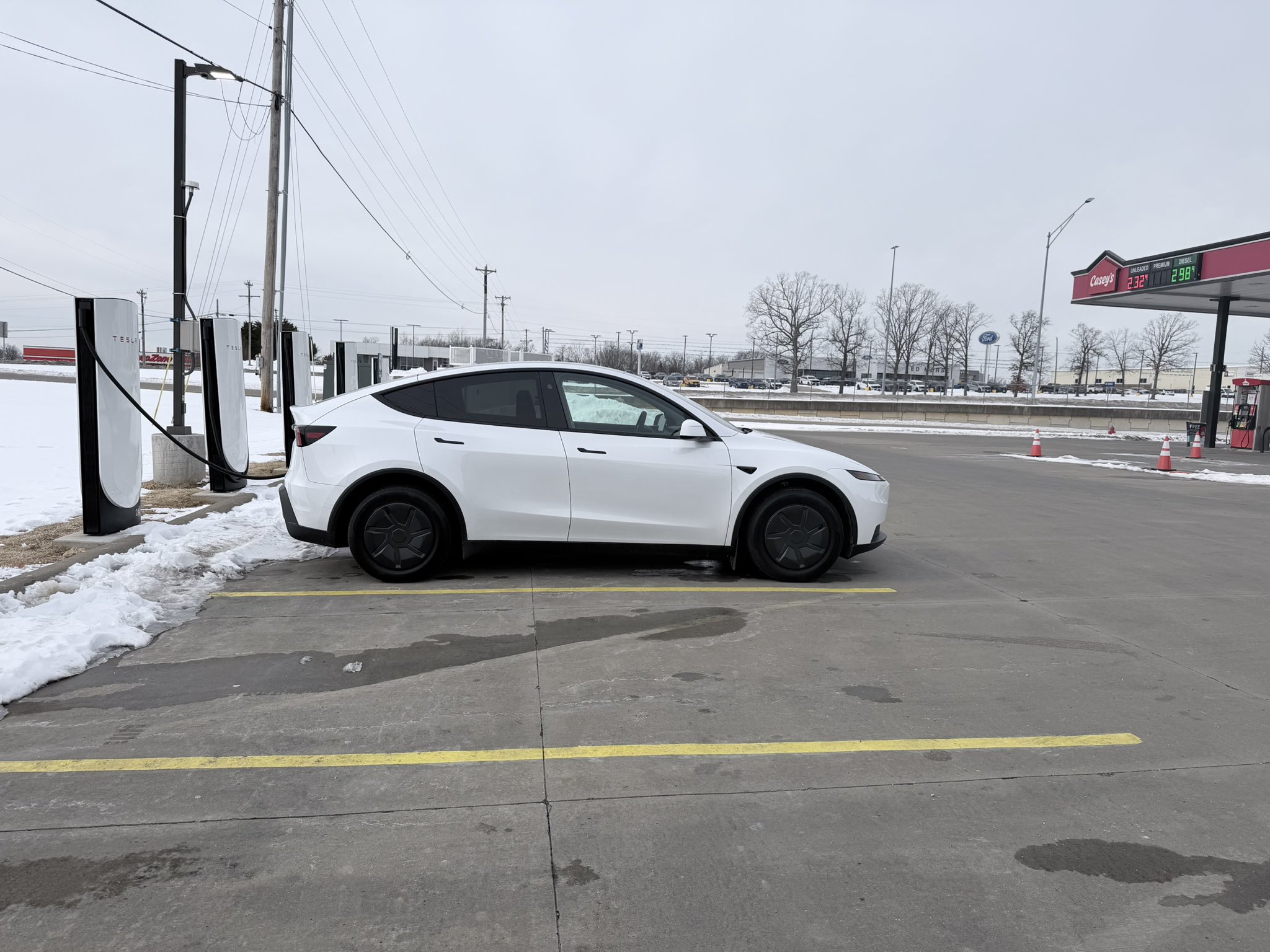
For many prospective electric vehicle buyers, the promise of lower operating costs is a major draw, but real-world, long-term data remains the ultimate proof. One intrepid Tesla owner in France has provided exactly that, meticulously tracking every expense over an extraordinary 100,000 kilometers in a Tesla Model Y Long Range. This isn't a manufacturer estimate or a simulated test; it's a comprehensive, receipt-backed financial log of three years of actual driving across all conditions, offering an unprecedented look at the true cost of Tesla ownership.
The Upfront Investment and Depreciation Reality
The journey began with the purchase of a new Tesla Model Y Long Range, configured with options for a total price of €58,990 before any government incentives. This significant upfront capital outlay is the first major factor in any total cost of ownership calculation. After three years and the substantial mileage, the owner assessed the vehicle's current market value. The analysis revealed a depreciation of approximately €30,000, a figure that highlights the impact of high mileage on resale value, though it remains competitive within the broader automotive landscape. This depreciation represents the single largest cost category over the ownership period.
Energy Costs: The EV's Core Advantage
Where the electric vehicle paradigm truly shines is in fueling expense. The owner's total energy cost for 100,000 km came to just €4,800. This remarkably low figure is a blend of home charging and the use of Tesla's Supercharger network for longer trips. The detailed receipts show that the vast majority of energy was sourced at home overnight at lower residential rates, with Supercharging acting as a convenient, albeit more expensive, supplement. When broken down, this equates to an average of less than €0.05 per kilometer for "fuel," a fraction of the cost for a comparable gasoline-powered SUV.
Maintenance, Repairs, and the "No Service" Myth
Contrary to the myth of the zero-maintenance EV, this real-world log provides crucial nuance. Total maintenance costs over 100,000 km amounted to €2,200. This included expected items like tire replacements (a significant wear item given the vehicle's instant torque and weight), cabin air filters, and windshield washer fluid. Notably, the cost did not include major repairs to the powertrain or battery, which were covered under warranty. The data confirms that while servicing an EV like the Tesla Model Y is undeniably simpler and cheaper than an internal combustion vehicle—with no oil changes, spark plugs, or complex transmission services—it is not entirely cost-free, with tires being a primary recurring expense.
When all costs are tallied—depreciation, energy, maintenance, insurance, and taxes—the owner arrived at a total cost of ownership of approximately €37,000 for the 100,000-kilometer journey. This translates to an average cost of €0.37 per kilometer. This holistic figure is what matters most for owners and analysts, moving beyond simple "fuel savings" to present the complete financial picture. The structure of these costs is fundamentally different from a gasoline car: a much higher proportion is tied to the initial asset depreciation, while the ongoing "refueling" expenses are drastically reduced.
For Tesla owners and investors, this case study validates the core economic thesis of EV ownership: dramatically lower operating expenses that can offset a higher purchase price over time. For investors, it underscores the compelling total-cost-of-ownership argument that drives consumer adoption. However, the data also offers a note of realism, highlighting that depreciation and tire wear are significant factors. Ultimately, this 100,000-km financial deep dive provides a powerful, data-driven narrative that proves the long-term viability and economic benefit of the electric vehicle transition, with Tesla's technology and Supercharger network enabling a seamless, cost-effective ownership experience.