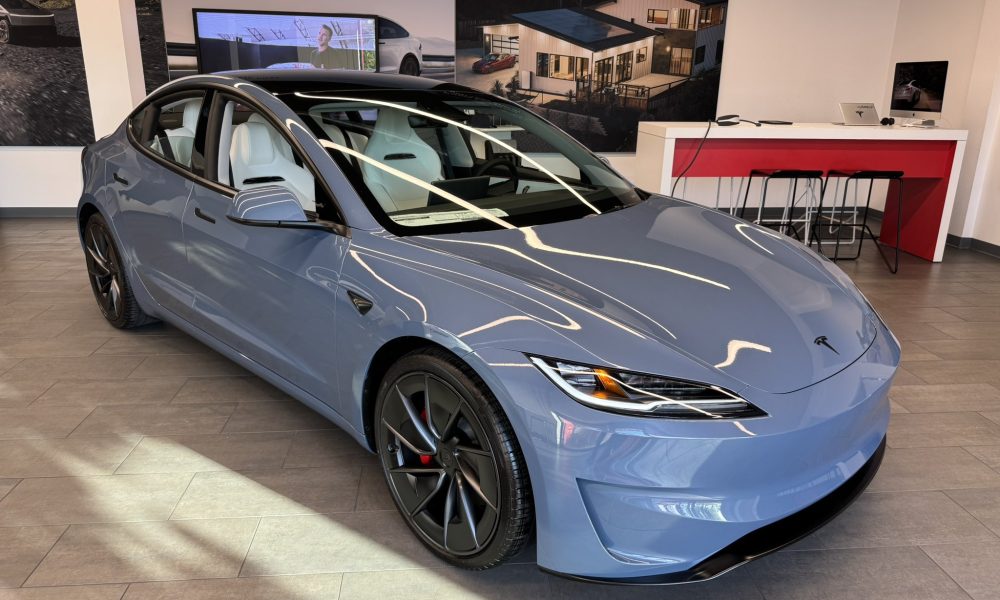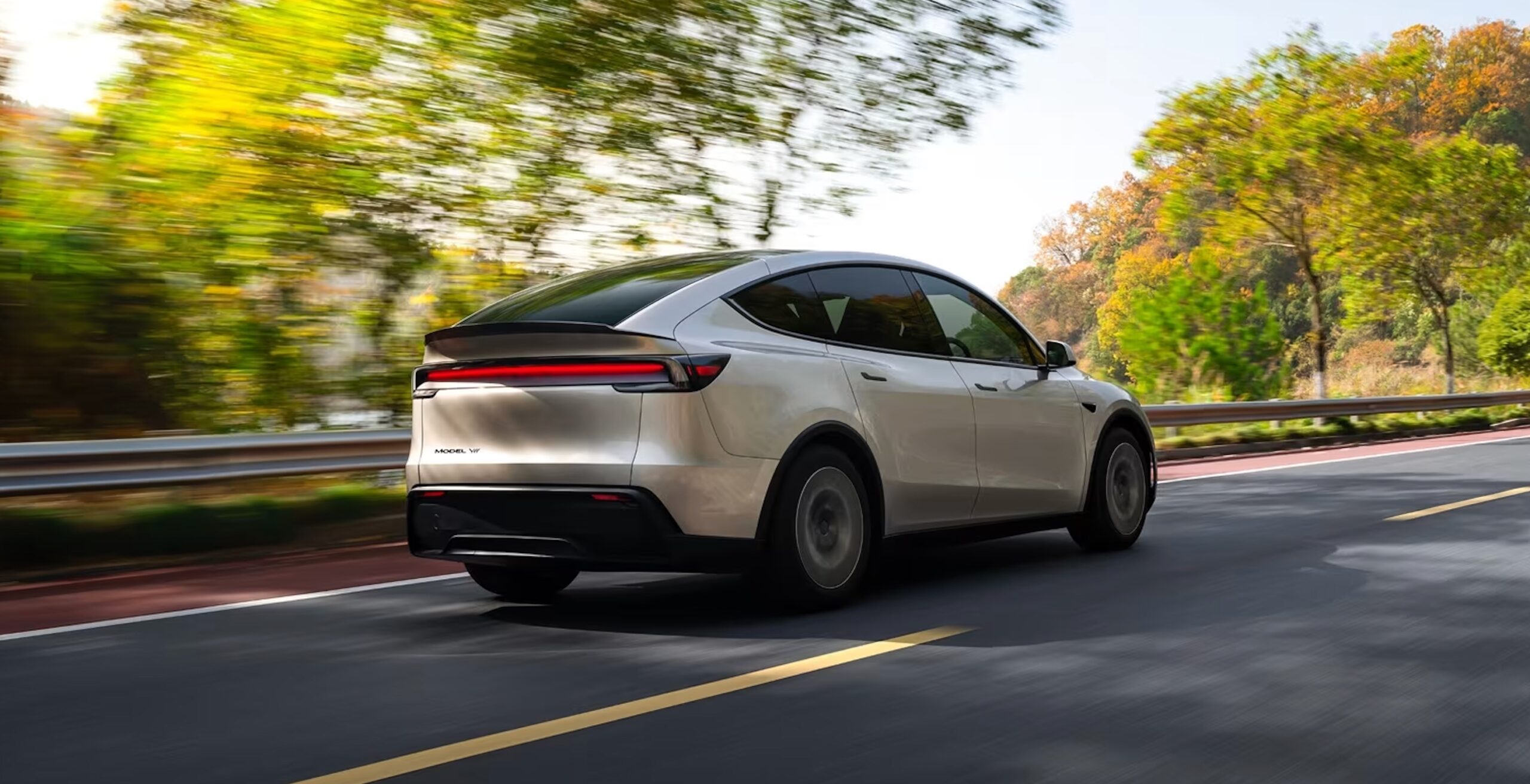
When the debate over electric vehicle ownership costs turns from theoretical to personal, the numbers can be shocking. One owner's meticulous five-year ledger for an Audi A4 2.0 TDI compared against three years with a Tesla Model Y reveals a staggering disparity in maintenance outlays, challenging the very foundation of traditional automotive cost-of-ownership models. This isn't a manufacturer's marketing claim or a consultancy's projection; it's a real-world audit of invoices, receipts, and service records that paints a damning picture for internal combustion engine economics.
The Combustion Cost: A Relentless Drip of Expenses
The owner's experience with the Audi A4, a paragon of German engineering, followed a predictable and expensive rhythm of preventative and corrective maintenance. Beyond routine oil changes, filter replacements, and brake service, the diesel powertrain demanded regular and costly attention for its timing belt, fuel injection system, and particulate filter. Major unscheduled repairs, such as a failing turbocharger or complex electrical gremlins, added four-figure surprises to the tally. Over five years, this relentless drip of expenses—from minor consumables to major component failures—accumulated into a substantial sum that fundamentally altered the car's total cost of ownership.
The Electric Reality: Redefining "Service"
In stark contrast, the switch to the Tesla Model Y introduced a paradigm where traditional maintenance schedules virtually disappeared. With no engine oil, spark plugs, timing belts, or complex transmissions to service, the owner's logbook showed entries primarily for tire rotations, cabin air filter changes, and windshield washer fluid. The regenerative braking system dramatically reduced wear on physical brake pads, while over-the-air software updates continuously refined performance and added features without a service visit. The result was a maintenance cost profile so low it rendered the previous Audi expenses almost indecent by comparison.
The analysis underscores a fundamental shift in vehicle architecture. Tesla's integrated electric powertrain, with far fewer moving parts, eliminates entire categories of mechanical wear and fluid degradation inherent to combustion engines. This mechanical simplicity translates directly to owner savings and time not spent at service centers. Furthermore, the ability to diagnose many issues remotely and the streamlined service model contribute to a significantly reduced total cost of operation, a factor often underestimated in upfront price comparisons between EVs and ICE vehicles.
Implications for Tesla Owners and Investors
For current and prospective Tesla owners, this real-world data validates the long-term financial logic of the EV transition, reinforcing that savings extend far beyond fuel costs. It provides a powerful counter-narrative to concerns over battery replacement, as the dramatic savings in ongoing maintenance can effectively fund a future battery service if ever needed. For investors, this cost advantage represents a deep and structural moat for Tesla and the EV sector. As consumer awareness grows, this compelling economic argument will accelerate adoption, putting immense pressure on legacy automakers whose business models are still heavily reliant on profitable aftersales service and parts revenue streams that simply do not exist in the same way for electric vehicles.