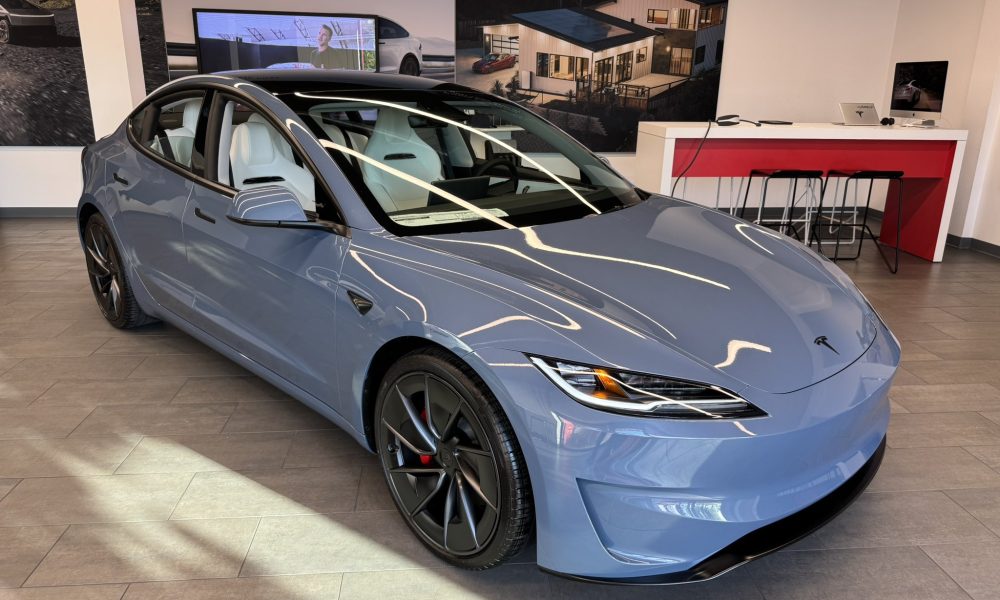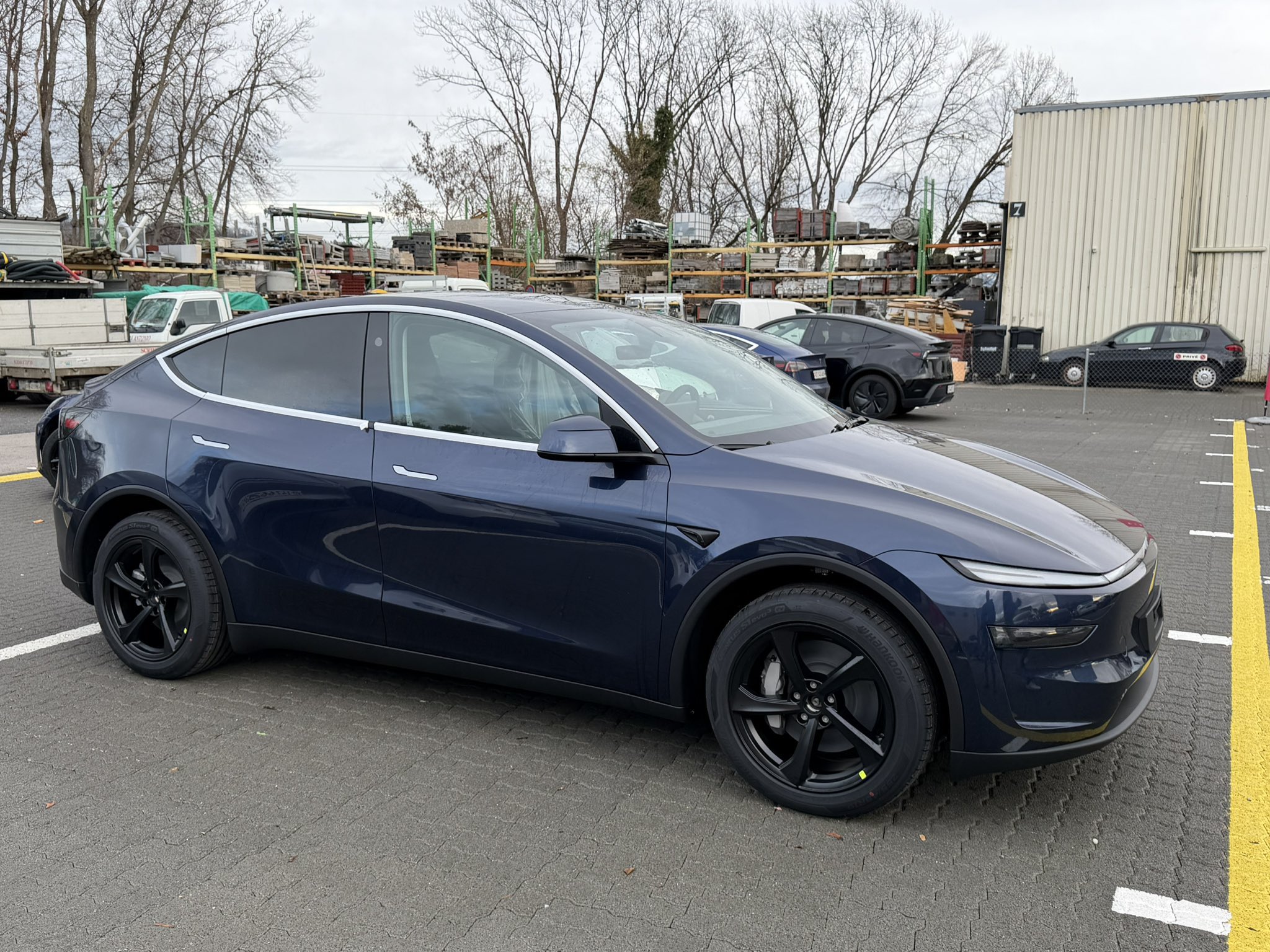
The siren song of the used EV market is louder than ever, with plunging prices and record sales volume creating a tantalizing opportunity for entry into the electric future. In March 2026, a staggering 20,140 used electric vehicles were registered in France alone, marking an absolute monthly record. Like thousands of others, I answered the call, purchasing a 2021 Tesla Model 3 for €27,000. The specs seemed perfect on paper: 62,000 km, panoramic glass roof, 19-inch wheels. Yet, my journey from eager buyer to informed owner revealed critical checkpoints every prospective used Tesla buyer must know, lessons learned after the fact that go far beyond a standard used car inspection.
The Battery Health Deep Dive: Beyond the Dashboard Guess
My first and most significant oversight was accepting the in-car range estimate at face value. Tesla's display shows an estimated range based on recent driving habits and current battery charge, but this is not a true measure of long-term battery degradation. I should have insisted on a detailed battery health report, accessible through a service request in the Tesla app or via third-party diagnostic tools. This report reveals the battery's actual capacity relative to its original state. A degradation of under 10% after several years is typically excellent, but anything approaching 15-20% significantly impacts real-world range and resale value. This single data point is the most important financial and experiential metric for a used EV.
The "Invisible" Feature Audit: Software and Hardware Lockouts
Modern vehicles, especially Teslas, are defined by their software. I meticulously checked the paint and tires but failed to verify which premium features were permanently tied to the original owner's account. Crucially, I discovered that Enhanced Autopilot—a costly upgrade—had been removed from the car after trade-in, as it was a software-only purchase. The same can apply to Full Self-Driving (FSD) capability and even premium connectivity subscriptions. Furthermore, I had to ensure all hardware was present and functional, like the Mobile Connector bundle and the homologated tow bar if advertised. These software-locked features and missing accessories can represent thousands of euros in unexpected future costs.
The Service History Scrutiny: More Than Just Stamped Pages
While a physical service booklet is useful, Tesla's digital history is paramount. I requested screenshots of the vehicle's service menu, which logs all work done by Tesla technicians. This revealed not just routine maintenance but critical warranty repairs, such as early HVAC (heat pump) system replacements—a known issue in some Model 3 years—or steering rack adjustments. Checking for outstanding recalls or goodwill service actions is also essential. This transparent history, more than any dealer's promise, provides a clear picture of how the car has been treated and what major components may have already been addressed.
For Tesla owners and investors, this booming used market is a double-edged sword. It dramatically expands the brand's accessibility, fueling adoption and software revenue potential from a new, price-sensitive demographic. However, it also places immense importance on battery longevity transparency and residual value protection. As more cars like mine change hands, Tesla's ability to support second and third owners with affordable battery health checks and clear feature transfer policies will directly impact overall brand loyalty and the company's standing in the circular economy. The used Tesla is no longer a niche curiosity; it is a primary gateway to the brand, and the buying experience must be as refined as the technology itself.