For decades, Volkswagen embodied German automotive rigor—a bastion of engineering tradition trusted by millions. That's precisely why one owner's recent, decisive pivot from a VW ID.3 to a Tesla Model 3 is so telling. After eighteen months of ownership, what began as a proud commitment to a legacy brand transformed into a stark lesson in the widening chasm between established automakers and the Silicon Valley approach to the electric future.
From "Das Auto" to Daily Disappointment
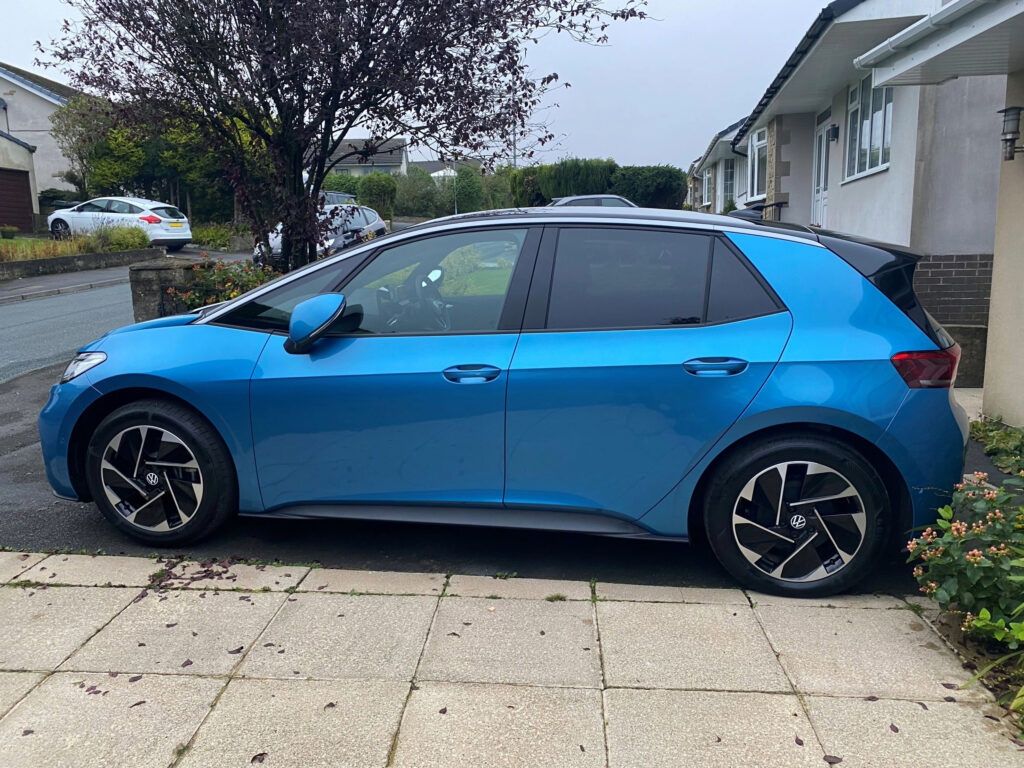
The owner's journey started with a VW ID.3 Pro Performance in Pyrite Blue Metallic, a car chosen for its promised blend of modernity and Volkswagen's legendary reliability. On paper, the specs were competitive: a 58 kWh battery and 204 horsepower. Yet, the reality of ownership was defined not by driving dynamics, but by persistent software shortcomings. Buggy infotainment systems, inconsistent connectivity, and a clunky user interface became daily frustrations. The experience highlighted a core issue: Volkswagen, despite its century of manufacturing expertise, approached the EV as a traditional car with a battery, not as a software-defined vehicle.
The Tesla Revelation: Software as a Core Competency
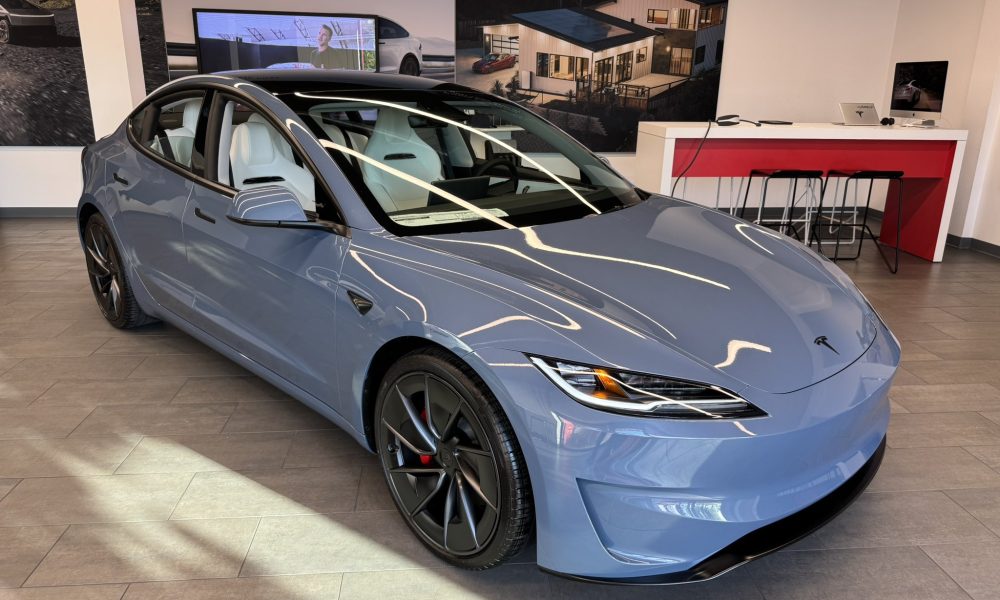
The switch to a Tesla Model 3 was described as a revelation. Where the ID.3 felt unfinished, the Tesla experience was cohesive and intuitive. The seamless integration of the powertrain, navigation, and charging ecosystem through responsive software demonstrated a fundamental philosophical difference. For Tesla, the software is the product, enabling over-the-air updates that continuously refine performance and add features. This creates a vehicle that improves over time, contrasting sharply with the static nature of many legacy electric vehicles. The owner noted the Tesla's superior efficiency, more accurate range estimation, and the effortless convenience of the Supercharger network as game-changers.
This disparity points to a deeper strategic gap. Volkswagen's massive investment in its MEB platform is an engineering triumph, but its struggle lies in mastering the digital experience and the agile development cycles that define companies like Tesla. The former ID.3 owner's story underscores that in the EV era, consumers are evaluating more than just build quality; they are judging the intelligence of the vehicle and the ecosystem it operates within.
Implications for Tesla's Position and the EV Market
For Tesla owners and investors, narratives like this validate the company's first-principles strategy. They reinforce that Tesla's lead is not merely in battery technology but in its vertically integrated software and energy ecosystem—a moat that is difficult for traditional OEMs to cross quickly. It suggests customer acquisition from legacy brands will continue as EV adoption moves beyond early adopters to pragmatic buyers who simply want the best, most reliable product.
For the broader market, this account is a cautionary tale for legacy automakers. Winning requires more than an electric drivetrain; it demands a complete rethinking of the vehicle as a tech platform. As software becomes the primary differentiator, Tesla's head start appears more significant. For consumers, the message is clear: the gap between a car that is electric and a car that is intelligently electric is wide, and it's being defined by the user experience.