For years, it has been one of the most persistent and vocal requests from a segment of Tesla owners: bring Apple CarPlay to the infotainment screen. While CEO Elon Musk has historically dismissed the need for the third-party interface, a seismic shift now appears imminent. Recent code deep within Tesla's latest software updates reveals active development for CarPlay integration, signaling an end to the company's staunch resistance. However, this long-awaited feature is poised to arrive not as a full surrender, but as a calculated and selective embrace of Apple's ecosystem.
Code Revelations Point to a Strategic Shift
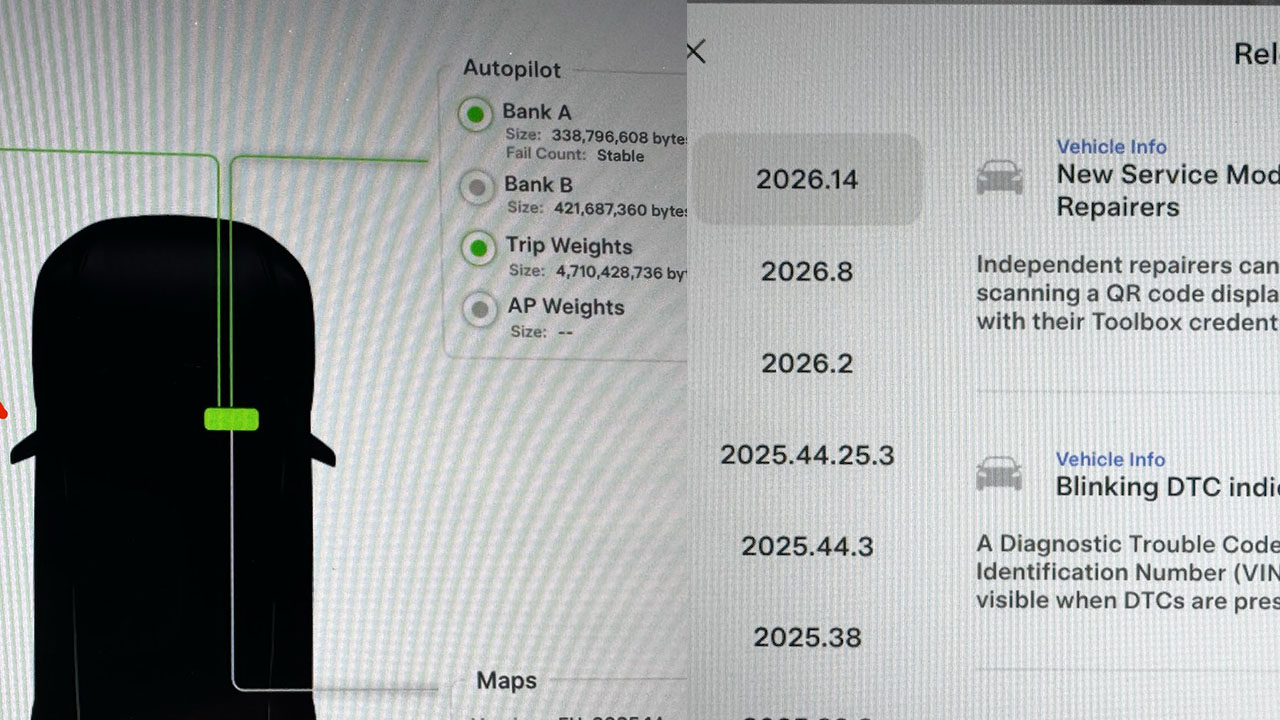
Buried within the software of Tesla's 2024.26 update, eagle-eyed developers discovered explicit references to CarPlay and Android Auto. These aren't mere mentions; the code includes frameworks for managing phone projection, connection status, and even a dedicated "wireless CarPlay" setup process. This evidence confirms that Tesla's engineering team is actively building the functionality, moving beyond mere speculation. The discovery marks a definitive pivot from Musk's past assertions that Tesla's native system was superior and that phone-link systems were a "backup plan" for inferior OEM interfaces. The move is widely interpreted as a direct response to sustained customer demand and competitive pressure, especially as other premium EV brands offer both robust native systems and smartphone projection.
A "Walled Garden" Integration, Not an Open Field
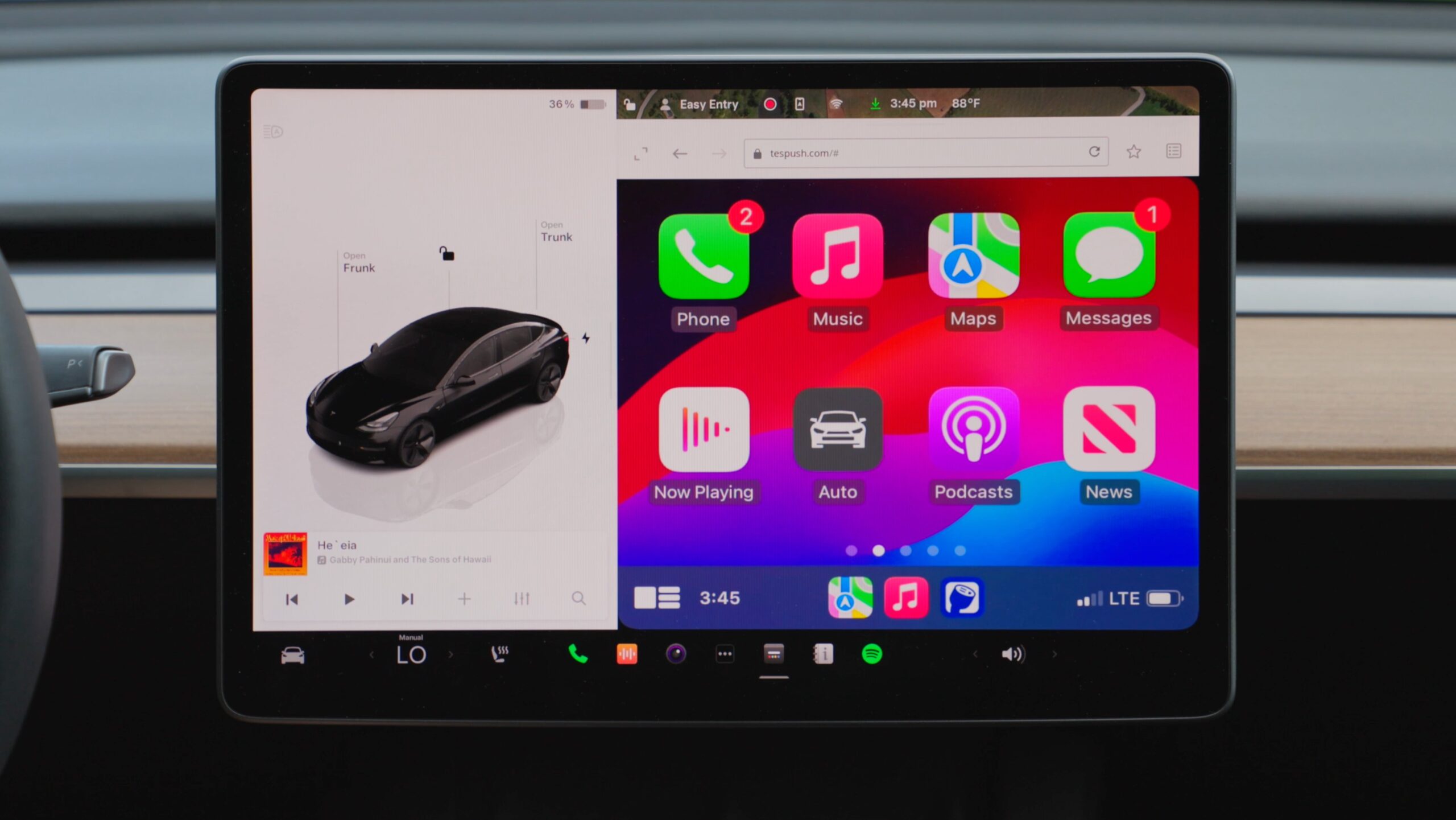
Don't expect CarPlay to take over the entire 17-inch display. Tesla's implementation is anticipated to be highly controlled, likely appearing as a floating or resizable window within the existing user interface. This approach allows Tesla to maintain its holistic software environment—including critical vehicle controls, navigation with Supercharger integration, and energy consumption data—while granting access to CarPlay's messaging, audio apps, and Apple Maps. The integration is expected to be wireless and selective, possibly limiting deep vehicle data access. This "walled garden" strategy lets Tesla appease a significant user base without ceding its core infotainment philosophy or valuable driver data to Apple.
Implications for the Tesla Ecosystem and Brand
This integration, however limited, represents a nuanced evolution of Tesla's vertically integrated model. It acknowledges that for many, the smartphone is an irreplaceable digital hub, and forcing a choice creates friction. By offering CarPlay as an optional feature, Tesla can cater to Apple loyalists without alienating users satisfied with the native OS. For owners, it means seamless access to preferred messaging, podcast, and music apps directly on the central screen, potentially improving safety and convenience. For investors, it signals a maturing company more responsive to market demands, which could broaden the brand's appeal. The key will be in Tesla's execution—ensuring the blend of systems is seamless and doesn't compromise the performance or security that defines the Tesla experience.