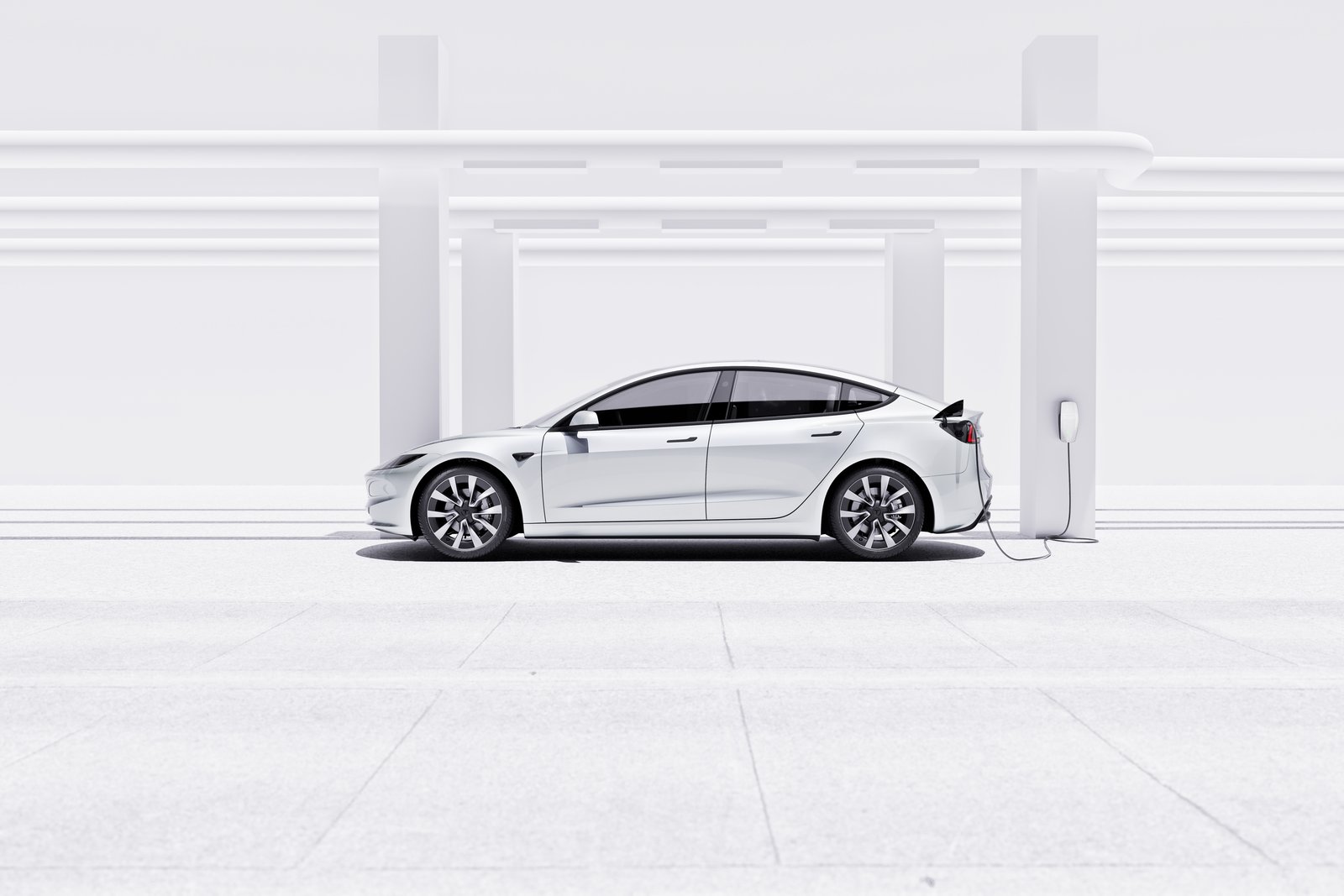
The used EV market kept growing in October, but Tesla did not capture all of the momentum. American shoppers bought more pre-owned electric vehicles than in September, and a wider mix of brands shared the gains. Tesla remained the number one seller, yet its grip on the secondhand EV segment looks a little looser than it did a month earlier.
Tesla Still Leads, but the Gap Narrows
Tesla's dominance in used electric vehicles is not in question. The company sold millions of cars over the past decade, and that installed base now feeds the resale channel. Model 3 and Model Y units, in particular, make up a large share of listings at dealers and on online marketplaces.
Still, market share matters as much as raw volume. When the overall pool of used EV buyers expands and Tesla's slice shrinks, it signals that shoppers are looking beyond the usual default. In October, they did exactly that.
Chevy, Kia and Nissan Gain Ground
Three models stood out with month-over-month gains from September: the Chevy Equinox EV, the Kia EV6 and the Nissan Leaf. Each appeals to a different type of buyer. The Equinox EV targets mainstream crossover shoppers who want a familiar shape and a lower entry price. The EV6 draws drivers who value fast charging and sharp styling. The Leaf, meanwhile, remains the budget-friendly entry point for people trying an electric vehicle for the first time.
The Equinox EV's appearance in the used market is notable. It is a relatively new model, so its presence suggests that early lease returns and trade-ins are starting to reach dealer lots. That adds fresh, late-model inventory that competes directly with used Teslas on price and features.
What It Means for Owners and Investors
For Tesla owners, a more crowded used market has two sides. More alternatives could put pressure on resale values, especially for older Model 3 and Model Y trims that now compete with newer rivals at similar prices. On the other hand, strong overall demand for used EVs supports the whole category and keeps trade-in values healthier than a stagnant market would.
For investors, the signal is subtle but worth tracking. Tesla's lead shows that the brand retains residual strength, which underpins financing, leasing and customer loyalty. Yet a falling share, even a small one, suggests competitors are closing the gap where affordability drives decisions. Watch whether the trend continues in the coming months, because the used market often serves as an early indicator of how buyers will weigh Tesla against rivals when they shop for new cars.